
Grand South America Miami, FL to Miami, FL
- 15 Jan ‘28
- 77 nights
- Departing from Miami
- Silver Ray

-
Inside price fromCall for price
-
Outside price fromCall for price
-
Balcony price fromCall for price
-
Suite price fromCall for price
YOUR ITINERARY
Miami, Florida - Cozumel Quintana Roo Mexico - Puerto Limon, Costa Rica - Colon, Panama - Panama Canal Transit - Manta, Ecuador - Callao (Lima) - Callao (Lima) - Arica, Chile - Coquimbo, Chile - Valparaiso, Chile - Valparaiso, Chile - Puerto Montt, Chile - Cruise Chilean Fjords - Punta Arenas, Chile - Garibaldi Fjord & Glacier - Ushuaia, Argentina - Ushuaia, Argentina - Port Stanley, Falkland Islands - Buenos Aires - Buenos Aires - Buenos Aires - Montevideo, Uruguay - Punta del Este, Uruguay - Balneario Camboriu - Ilhabela, Brazil - Rio de Janeiro, Brazil - Rio de Janeiro, Brazil - Rio de Janeiro, Brazil - Rio de Janeiro, Brazil - Salvador De Bahia, Brazil - Fortaleza, Brazil - Macapa, Brazil - Santarem, Brazil - Boca De Valeria, Brazil - Manaus, Brazil - Manaus, Brazil - Manaus, Brazil - Parintins - Macapa, Brazil - Ile Royale - Bridgetown, Barbados - Bequia, St. Vincent And The Grenadines - Castries, St Lucia - Fort De France, Martinique - Roseau, Dominica - St John's, Antigua - St Kitts - Gustavia - Jost Van Dyke Bay - San Juan - Miami, Florida
Miami, officially the City of Miami, is a metropolis loca...
Miami, officially the City of Miami, is a metropolis located in southeastern Florida in the United States. It is the third most populous metropolis on the East coast of the United States, and it is the seventh largest in the country. Wikipedia
Dive into the exuberant, colourful world of Cozumel – a M...
Dive into the exuberant, colourful world of Cozumel – a Mexican island of exceptional scuba diving, snorkelling and dazzling beaches. Abundant underwater ecosystems swirl among reefs of black coral – attracting experts and beginners alike to the azure waters of this island. Mayan mythology says Cozumel was the sanctuary of the Goddess of fertility and love, Ixchel – and this seducing Mexican island of adventure and allure leaves all visitors head over heels.
Waiting across the Carribean waters from Playa Del Carmen, and a world away from its lively resorts, Cozumel is an idyllic land of gently curving palm trees and tropical shores. Playa Palancar occupies the western coast, with velvety powder and balmy Caribbean seas. Relax, with just the notes of the washing sea and whispering palm trees accompanying you during splashes through the shallow waves or tanning sessions on the soft sand. Playa El Cielo – or the appropriately named Heaven Beach – is home to a divine constellation of starfish resting on the seabed, below its glass-clear waters. Stingrays and sea turtles also swirl in the waters, as you snorkel through some of the island’s most vibrant and diverse displays of marine life. Beach bars serve up spicy Mexican fare with a seaside twist – like delicious prawn fajitas, fish tacos and lime-squeezed ceviches. The crumbling San Gervasio ruins, meanwhile, offer cultural intrigue and a fascinating insight into the remarkable ancient Mayan civilisation. Despite the presence of majestic ruins from antiquity, it’s the giant iguanas, soaking up the sun in clearings, who often unwittingly steal the show.
Puerto Limon, once an important banana port, is the capital...
Puerto Limon, once an important banana port, is the capital of Costa Rica’s Limon Province on the Caribbean coast. The town offers few sights, but serves mainly as a gateway to Costa Rica’s rugged wilderness. Costa Rica’s capital, San José, is a good two and a half-hour drive from Puerto Limon.
When Columbus discovered Costa Rica during his last voyage, rumors of vast gold treasures led to the name of Costa Rica (Rich Coast). The Spaniards settled in the Central Valley; additional immigrants from northern Spain increased their numbers considerably. The local Indian population was soon greatly diminished due to diseases brought by the settlers. In 1821 the country declared independence from Spain. In an effort to create a source for revenue, coffee was introduced from Panama in 1791. The government offered free land to coffee growers, thus building up a peasant landowning class. The first coffee exports were carried on mule-back to the ports; by 1846 oxcarts were used to transport the coffee to Puntarenas. A few years later, there was a large flow of coffee to overseas markets, which was facilitated by the opening of a railway from San Jose to Puerto Limon on the Caribbean. Later a railway was built to the Pacific port of Puntarenas. Today, the country’s economy is based on the export of coffee, bananas, meat, sugar and cocoa.
Tourists particularly enjoy the country’s well-kept national parks and nature reserves that have been established to protect the extremely varied Costa Rican ecosystems, such as the few remaining patches of the dry tropical forest and the unique cloud forest.
Colon welcomes you to one of humanity’s most extraord...
Colon welcomes you to one of humanity’s most extraordinary engineering endeavours, the Panama Canal. This extraordinary waterway connects two of the world’s great oceans and, on opening, saved ships from an epic and treacherous 8,000 mile voyage around Cape Horn. While the Atlantic Entrance is Colon’s main raison d’etre, there is much more to this city on the canal’s grand gateway than first meets the eye.
Take an old world voyage on the regally romantic Panama Railway Canal, which preceded the canal and was constructed at extraordinary human cost to traverse Panama’s narrow land. The tracks have been rolling since the 19th century and cosying up inside the historic carriages, with their gleaming glass ceilings and polished woods, is an elegant journey back through time to the period when this was the quickest route from the east coast of the USA to California’s gold rush dreams. A side trip to the UNESCO World Heritage Site Portobelo is also a must. With its reef rock fortifications built by the Spanish in the 17th century, these jagged jaws of coral were carved to cut approaching pirates and conquistadors to shreds. It shares its World Heritage Site designation with nearby Fort San Lorenzo, which perches on an emerald-green cliff, casting its gaze over the harbour below. Back in Colon, after staring in awe at the grand, clanging Gatun Locks, and splurging on a case of duty-free rum and trinkets from the Colon Free Trade Zone – a trip to the beach will soothe city-worn souls. Playa La Angosta is a rabble of raucous beach-going fun, where the blue waters swirl with bright banana boats and fleeting canoes. Relax on the sand among sizzling yuca fritters, and families clamouring in the shade of cabanas. On the Caribbean side, Playa Chiquita is accessible only by boat, but rewards with warm gin-clear waters backed by thick rainforest.
Enter the mighty Panama Canal, one of history’s most ambitious a...
Enter the mighty Panama Canal, one of history’s most ambitious and spectacular stretches of waterway. Connecting the Atlantic and Pacific oceans, and slicing through the heart of a continent, the canal is a staggering engineering triumph, eliminating the need to traverse the treacherous waters of South America and Cape Horn. Sail one of the world’s great canals to appreciate the true scale of this achievement, as your ship manoeuvres between its vast, gushing locks and huge lakes. View less The French began construction in 1881, but the costly project was left abandoned and unfinished until the United States finally completed the work in 1914. Following the path of the Panama Railway of 1855, locks raise ships large and small 26 metres up above sea level to the canal’s elevated channel. New locks have recently been added, which allow the canal to accommodate ever bigger ships. Leaving the confinement of the locks, you will enter the canal’s channel, to sail through Panama’s core. Wide lakes are linked by painstakingly chiselled wedges of canal, which slice through the lush scenery. Look out for the Culebra Cut section, the most challenging stretch of the entire route to construct. The Bridge of the Americas is a vast arched landmark, which sweeps across the Pacific Entrance and was completed in 1962. It’s one of several huge bridges that you will sail below on the 51-mile journey, including the much newer Centennial Bridge, and the Atlantic Bridge, which spans the entrance close to Colon.
Manta is one of Ecuador’s ports along the central coast an...
Manta is one of Ecuador’s ports along the central coast and the most populated city in Manabi Province. Its existence can be traced to pre-Columbian times when Manta was a trading post for the Incas and Mantas. It was also the port where Charles Marie de La Condamine arrived, leading the French mission to measure the location of the equator in 1735.
Arica is Chile’s northernmost city and the cap...
Arica is Chile’s northernmost city and the capital of the Region of Arica and Parinacota. Its 240,000 inhabitants make up almost 98% of the region’s population. With an average temperature of 18 degrees Celsius Arica is known as the “city of eternal spring”. Although it is within the Atacama Desert, one of the driest places in the world, and several years can pass before it rains in the city, a fertile river valley dissects it. Fruit and vegetables are produced there and Arica is famous for its olives.
Arica’s port had been important for the Spanish Empire since 1545 when silver was brought down to the coast from Potosi (Bolivia) –this attracted English and Dutch pirates which looted Arica on several occasions. Today the port serves as a free port for goods from landlocked Bolivia. Arica belonged to Peru until 1880, when Chilean troops took the “El Morro” hill above the port during the War of the Pacific. It is possible to walk up to the giant flagpole and small military museum on the hill, from where there are excellent views across the city, port and valley. Attractions in or near Arica include the Museum of Azapa dedicated to the Chinchorro culture with the oldest mummies in the world going back 7,ooo years, several beaches and three buildings said to have been designed by Eiffel.
The name Coquimbo is derived from a native Diaguita...
The name Coquimbo is derived from a native Diaguita word meaning ‘place of calm waters’. In fact, Charles Darwin had noted that the town was ‘remarkable for nothing but its extreme quietness’. Since then, Coquimbo has developed into a bustling port and the region’s major commercial and industrial centre from which minerals, fish products and fruits are exported. Used during the colonial period as a port for La Serena, Coquimbo attracted attention from English pirates, including Sir Francis Drake, who visited in 1578.
Visitors enjoy strolling around the town, admiring some of the elaborate woodwork handcrafted on buildings by early British and American settlers. These wooden buildings are among Chile’s most interesting historical structures. Out of town, the area offers some fine beaches in a desert-like setting. Coquimbo serves as a gateway to the popular resort town of La Serena and trips farther into the Elqui Valley, known as the production centre for Chile’s national drink, pisco sour. The valley is also home to several international observatories that take advantage of the region’s exceptional atmospheric conditions.
Since time immemorial Valparaiso has inspired writers, p...
Since time immemorial Valparaiso has inspired writers, poets, musicians and artists alike. If the city is still a little rough around the edges, this only adds to its bohemian ambience; the architecture, style, street art, nightlife, and live music scenes of Valparaiso are some of the best in the world. Add colourful clifftop homes to the mix and you’ll soon see why Valpariaso is many people’s favourite Chilean city. The city was founded in 1536 by Spanish conquistador Juan de Saavedra, who named the city after his birthplace. View less
Many of the colonial buildings he implemented are still standing today, despite the rain, wind, fire and several earthquakes (one of which almost levelled the city in 1906). Quirky architecture also abounds; poetry lovers and amateur architects will no doubt want to make the 45 km trip south to Chilean poet laureate (and Nobel Prize winner) Pablo Neruda’s ship-shaped house and museum for a taste of the extraordinary. The city and region are also extremely well known for their love of good food and wine. The vineyards of the nearby Casablanca Valley – first planted in the early 1980s – have earned worldwide recognition in a relatively short space of time. However, Chile’s viticulture history does date back much farther than that. De Saavedra brought grape vines on his voyage to South America in order to make his own wine and this led to a new grape brandy being created, Pisco. Today give any Chilean a Pisco and wherever they are in the world, they will be home.
Since time immemorial Valparaiso has inspired writers, p...
Since time immemorial Valparaiso has inspired writers, poets, musicians and artists alike. If the city is still a little rough around the edges, this only adds to its bohemian ambience; the architecture, style, street art, nightlife, and live music scenes of Valparaiso are some of the best in the world. Add colourful clifftop homes to the mix and you’ll soon see why Valpariaso is many people’s favourite Chilean city. The city was founded in 1536 by Spanish conquistador Juan de Saavedra, who named the city after his birthplace. View less
Many of the colonial buildings he implemented are still standing today, despite the rain, wind, fire and several earthquakes (one of which almost levelled the city in 1906). Quirky architecture also abounds; poetry lovers and amateur architects will no doubt want to make the 45 km trip south to Chilean poet laureate (and Nobel Prize winner) Pablo Neruda’s ship-shaped house and museum for a taste of the extraordinary. The city and region are also extremely well known for their love of good food and wine. The vineyards of the nearby Casablanca Valley – first planted in the early 1980s – have earned worldwide recognition in a relatively short space of time. However, Chile’s viticulture history does date back much farther than that. De Saavedra brought grape vines on his voyage to South America in order to make his own wine and this led to a new grape brandy being created, Pisco. Today give any Chilean a Pisco and wherever they are in the world, they will be home.
Located on the northern tip of the vast Reloncavi Bay...
Located on the northern tip of the vast Reloncavi Bay, Puerto Montt is the gateway to the Chilean Lake District. Crowding the harbor are vessels that ply the route between Cape Horn and Puerto Montt, finding shelter here from the storms of the Pacific.
The first German colonists arrived in this area in 1852; their descendants have remained a small but influential percentage of the 130,000 inhabitants. The town spreads along a narrow seaboard and climbs the slopes that enclose Puerto Montt to the north. Since 1985, the city has experienced considerable growth and development. In addition to some 30 salmon farms, fishing and forestry industries, there are service companies, new hotels, restaurants, cafés and a variety of shops. For the visitor, the town itself offers scant attractions apart from shingle-roofed houses around a flowered central square. It is its proximity to the lake and mountain region that makes Puerto Montt a sought after starting point for many travelers.
A short distance from the pier is the small fishing port of Angelmo. Its row of stalls lining both sides of the street offers a wide variety of regional handicrafts and souvenir items.
Winding through the vast expanses of the Chilean Fjords will...
Winding through the vast expanses of the Chilean Fjords will reveal mountains looming on both sides, waterfalls, and the marvel of hardy flora clinging to barren rocks. Seals and dolphins patrol the length of these uninhabited fjords as they have done for millennia. Small fishing-boats come out of Punta Arenas luring fish and trapping for king crab, while terns dip and glide coaxing their own small fish out of the deep, dark fjord waters amongst tiny islands thick with vegetation.
As we head back towards land, a statue of fellow explorer ...
As we head back towards land, a statue of fellow explorer Ferdinand Magellan greets us. Located on the western side of the Strait of Magellan, Punta Arenas is the capital of Chile’s Magallanes Region and the bustling centre base for South Atlantic fishing boats and Antarctic research vessels. This busy port town is a melding of cultures from the English sheep ranchers to Portuguese sailors, all of which are a symbol of Chile’s rich history. Punta Arenas’ city centre features impressive mansions dating from the late 19th and early 20th centuries.
In 1982, Isla Magdalena was declared a Chilean Natural Monument. Residing in the Magellan Straits, it serves as a bird sanctuary specifically to the Magellanic penguins, who share their nesting area with cormorants amongst other seabirds and sea lions. We explore the island together with our ship staff, and learn more about these naturally curious and untamed creatures. However, simply watching 150,000 burrowing penguins share chores with their lifelong mates is quite amazing. Each morning and afternoon, the fishing penguins return to shore to switch places with their mate who has been taking care of the young. These same penguins return every year between October and March to lay eggs and raise their young.
A southerly frontier – on the cusp of wild na...
A southerly frontier – on the cusp of wild nature and extraordinary adventures – the excitement in Ushuaia is palpable. Prepare for memorable exploits amid the extremes of this southerly location – as you adventure into the colossal scenery of the fractured Tierra del Fuego and beyond. Known as the ‘End of the World’ Ushuaia looks out across the Beagle Channel, and is surrounded by the Martial Mountains to the north. Despite its remote location, Ushuaia is a surprisingly busy and lively resort, with lots to keep its visitors entertained. View less
For many people, Ushuaia is their last glimpse of anything resembling a city, before they jump off the map into the wilderness, to answer the call of immense national parks or Antarctic expeditions. One of the most dramatic landscapes on the planet – Argentina’s land of fire, National Park Tierra del Fuego, is a place of titanic natural forces and limitless beauty. Snow-covered mountains poke the sky, while glaciers spill down between peaks, and gaping fjords open up. With incredible wildlife – from penguins to whales – the park offers some of South America’s most amazing hiking opportunities and panoramas. When it comes to food in Ushuaia, locals cook up fierce flavours using the freshest ingredients. King crab is one of the most popular dishes, while sea bass – hauled freshly from the waters – and mounds of meaty mussels – known as cholgas – are also on the menu here.
A southerly frontier – on the cusp of wild n...
A southerly frontier – on the cusp of wild nature and extraordinary adventures – the excitement in Ushuaia is palpable. Prepare for memorable exploits amid the extremes of this southerly location – as you adventure into the colossal scenery of the fractured Tierra del Fuego and beyond. Known as the ‘End of the World’ Ushuaia looks out across the Beagle Channel, and is surrounded by the Martial Mountains to the north. Despite its remote location, Ushuaia is a surprisingly busy and lively resort, with lots to keep its visitors entertained. View less
For many people, Ushuaia is their last glimpse of anything resembling a city, before they jump off the map into the wilderness, to answer the call of immense national parks or Antarctic expeditions. One of the most dramatic landscapes on the planet – Argentina’s land of fire, National Park Tierra del Fuego, is a place of titanic natural forces and limitless beauty. Snow-covered mountains poke the sky, while glaciers spill down between peaks, and gaping fjords open up. With incredible wildlife – from penguins to whales – the park offers some of South America’s most amazing hiking opportunities and panoramas. When it comes to food in Ushuaia, locals cook up fierce flavours using the freshest ingredients. King crab is one of the most popular dishes, while sea bass – hauled freshly from the waters – and mounds of meaty mussels – known as cholgas – are also on the menu here.
Tiny Stanley, capital of the Falklands, seems in many ways lik...
Tiny Stanley, capital of the Falklands, seems in many ways like a British village fallen out of the sky. Many homes are painted in bright colors, adding visual appeal to this distant outpost. Not far offshore, the wreck of the Lady Elizabeth, is one of the many vessels remaining as a silent testimonial to the region’s frequent harsh weather conditions.
The islands, also known by their Spanish name of Islas Malvinas, are home to arguably more tuxedo-clad inhabitants of the penguin variety than human residents. Various species, such as Gentoo, King and the more elusive Macaroni penguins, either live here permanently or use the Falklands as a stopover on their migration route. Giant Sea Elephants and Southern Sea Lions also come here to breed and give birth. Darwin found the islands’ flora and fauna fascinating — no doubt you will, too.
Passionate, and alive with an infectious cracklin...
Passionate, and alive with an infectious crackling energy, the Argentine capital is a breathlessly romantic city, which blends old-world colonial architecture with a down-to-earth Latin American clamour. Famed for steamy tango interplays, and expertly seared steak slabs, a visit to Buenos Aires is a fiery fiesta for the senses. Parque Tres de Febrero is a 400-hectare oasis where 18,000 rose bushes bloom, and skyscrapers give way to still lakes and pretty paths of rollerblading locals.
Mighty palm trees – that look like exploding fireworks – stand tall in Plaza de Mayo, the heart of this sprawling cosmopolitan capital of 48 barrios. The square has served as the stage for many fundamental events in this country’s history, and the location where the seeds of independence were sewn continues to serve as the city’s gathering point – and is a place for solidarity, rebellion and revolution. The presidential Casa Rosada’s salmon-hued Palatial Palace borders the plaza, while nearby Museum Nacional de Bellas Artes houses the largest collection of public art in Latin America. Teatro Colón, the opulent 1908 opera house, is one of the world’s finest venues – musical performance here take on an ethereal quality, with the exceptional acoustics transferring every quiver of bow, and tremor of vocal cord, to the audience in spine-tingling clarity. The gargantuan, precipitous terraces of Bombonera Stadium form another of Buenos Aires’s incredible venues, and a wall of noise emanates from it when Boca Juniors take to the field. Juicy steak and punchy Malbec flow in the city’s parrillas – steakhouses – while glitzy bars and thumping nightclubs welcome revellers late into the night. It’s not just the meat that sizzles here either – tango dancers fill milongas – dance halls – to strut passionately until the early hours. Sip steaming mate, the country’s national drink, shop in covered markets, and explore Cementerio de la Recoleta – a city of grand graves and intricate memorials honouring presidents, politicians and notable Argentine heroes from history.
Passionate, and alive with an infectious crackling energy, the ...
Passionate, and alive with an infectious crackling energy, the Argentine capital is a breathlessly romantic city, which blends old-world colonial architecture with a down-to-earth Latin American clamour. Famed for steamy tango interplays, and expertly seared steak slabs, a visit to Buenos Aires is a fiery fiesta for the senses. Parque Tres de Febrero is a 400-hectare oasis where 18,000 rose bushes bloom, and skyscrapers give way to still lakes and pretty paths of rollerblading locals.
Mighty palm trees – that look like exploding fireworks – stand tall in Plaza de Mayo, the heart of this sprawling cosmopolitan capital of 48 barrios. The square has served as the stage for many fundamental events in this country’s history, and the location where the seeds of independence were sewn continues to serve as the city’s gathering point – and is a place for solidarity, rebellion and revolution. The presidential Casa Rosada’s salmon-hued Palatial Palace borders the plaza, while nearby Museum Nacional de Bellas Artes houses the largest collection of public art in Latin America. Teatro Colón, the opulent 1908 opera house, is one of the world’s finest venues – musical performance here take on an ethereal quality, with the exceptional acoustics transferring every quiver of bow, and tremor of vocal cord, to the audience in spine-tingling clarity. The gargantuan, precipitous terraces of Bombonera Stadium form another of Buenos Aires’s incredible venues, and a wall of noise emanates from it when Boca Juniors take to the field. Juicy steak and punchy Malbec flow in the city’s parrillas – steakhouses – while glitzy bars and thumping nightclubs welcome revellers late into the night. It’s not just the meat that sizzles here either – tango dancers fill milongas – dance halls – to strut passionately until the early hours. Sip steaming mate, the country’s national drink, shop in covered markets, and explore Cementerio de la Recoleta – a city of grand graves and intricate memorials honouring presidents, politicians and notable Argentine heroes from history.
Passionate, and alive with an infectious crackling energy,...
Passionate, and alive with an infectious crackling energy, the Argentine capital is a breathlessly romantic city, which blends old-world colonial architecture with a down-to-earth Latin American clamour. Famed for steamy tango interplays, and expertly seared steak slabs, a visit to Buenos Aires is a fiery fiesta for the senses. Parque Tres de Febrero is a 400-hectare oasis where 18,000 rose bushes bloom, and skyscrapers give way to still lakes and pretty paths of rollerblading locals.
Mighty palm trees – that look like exploding fireworks – stand tall in Plaza de Mayo, the heart of this sprawling cosmopolitan capital of 48 barrios. The square has served as the stage for many fundamental events in this country’s history, and the location where the seeds of independence were sewn continues to serve as the city’s gathering point – and is a place for solidarity, rebellion and revolution. The presidential Casa Rosada’s salmon-hued Palatial Palace borders the plaza, while nearby Museum Nacional de Bellas Artes houses the largest collection of public art in Latin America. Teatro Colón, the opulent 1908 opera house, is one of the world’s finest venues – musical performance here take on an ethereal quality, with the exceptional acoustics transferring every quiver of bow, and tremor of vocal cord, to the audience in spine-tingling clarity. The gargantuan, precipitous terraces of Bombonera Stadium form another of Buenos Aires’s incredible venues, and a wall of noise emanates from it when Boca Juniors take to the field. Juicy steak and punchy Malbec flow in the city’s parrillas – steakhouses – while glitzy bars and thumping nightclubs welcome revellers late into the night. It’s not just the meat that sizzles here either – tango dancers fill milongas – dance halls – to strut passionately until the early hours. Sip steaming mate, the country’s national drink, shop in covered markets, and explore Cementerio de la Recoleta – a city of grand graves and intricate memorials honouring presidents, politicians and notable Argentine heroes from history.
With its population of 1,362,000, Montevideo is home to nearl...
With its population of 1,362,000, Montevideo is home to nearly half of Uruguay’s population. The relatively small capital is the nation’s only major city, yet visitors do not come here in search of the hustle and bustle of a large metropolis. Montevideanos themselves travel to Buenos Aires and São Paulo when they crave big-city excitement. As Uruguay’s cultural, political and economic center, the city boasts a good number of monuments, museums and impressive architecture. There are sidewalk cafés, fine restaurants, chic shops, casinos and miles of clean beaches.
For such a small country, Uruguay boasts an astonishing literary and artistic tradition. Theater is a popular medium and playwrights are very prominent. Uruguayan artists such as Pedro Figari have earned recognition well beyond the country’s border. The tango is nearly as popular here as in Argentina. Afro-Uruguayan Candomblé music and dance add a unique dimension.
Renowned for its international conferences and film fe...
Renowned for its international conferences and film festivals, Punta del Este is one of the finest beach resorts in South America. Many wealthy Uruguayans, Argentines and Brazilians have built spectacular mansions along the magnificent coastline. Celebrities and jet-setters from across the globe frequent Punta del Este for the beaches, fresh air and nightlife. For many of Montevideo’s residents this fashionable resort provides a popular weekend getaway.
With a skyline of alternating high-rise towers and million-dollar mansions, Punta del Este is host to a sophisticated culture and a swinging social scene.
During the day locals and visitors hit the beaches of the peninsula that provide a perfect setting for a variety of watersports. The land side, with its sand dunes, large forests of pines, eucalyptus and mimosa, makes a fitting contrast. A marina full of sleek yachts, excellent restaurants, chic boutiques, art galleries, a renowned museum, casinos and three golf courses add to a Riviera-like atmosphere.
Portuguese for beautiful island, Ilhabela carries its name w...
Portuguese for beautiful island, Ilhabela carries its name well. Considered a natural paradise by both locals and visitors alike, the island is a kaleidoscope of beautiful beaches, lush tropical rainforests and an incredible 360 waterfalls. Located a four hour drive (and a 15-minute ferry ride) from São Paolo, 85% of the island is a UNESCO-Biosphere Reserve. View less
While people may come initially to Ihalbela for its famous beaches, (one of which was named as a top ten worldwide beach by The Guardian), expect much greater things that just sunning and relaxing in the shade from this little island. With almost 25 miles/40 kilometres of pristine beaches, fun in the sun is certainly always an option, but Ilhabela is also a vibrant little city, full of vivacity and history, just waiting to be discovered. Located on the west coast of the island, Ilhabela town still shows signs of its colonial past, examples of which can be see through the local architecture. Perhaps one of the most photogenic chapels you will see on the island is the Nossa Senhora D’Ajuda. Built in 1806, the Catholic church is a pretty little white-washed building set on a hill, positioned as if protecting over the town. Decked with colourful bunting much of the time, the church is filled to the rafters on holy days with locals expressing their faith. The interior of the church has signs of faded grand charm, much like the city itself. Several miles before the entrance to town, on the way to the ferry, is the Princess’ House, an impressive 18th-century mansion belonging to the Fazenda Engenho d’Agua, one of the most important of Ilhabela’s many former sugar plantations.
Today, with the center rebuilt many times since colonial days,...
Today, with the center rebuilt many times since colonial days, the major interest lies in the beach communities south of the city center rather than in Rio’s buildings and monuments. For some 60 years, the beach districts of Copacabana, Ipanema and Leblon have been Rio’s heart and soul, providing a constant source of recreation to maintain the city’s fame as the most dynamic and captivating tourist capital in South America.
Today, with the center rebuilt many times since co...
Today, with the center rebuilt many times since colonial days, the major interest lies in the beach communities south of the city center rather than in Rio’s buildings and monuments. For some 60 years, the beach districts of Copacabana, Ipanema and Leblon have been Rio’s heart and soul, providing a constant source of recreation to maintain the city’s fame as the most dynamic and captivating tourist capital in South America.
Today, with the center rebuilt many times since colonial days...
Today, with the center rebuilt many times since colonial days, the major interest lies in the beach communities south of the city center rather than in Rio’s buildings and monuments. For some 60 years, the beach districts of Copacabana, Ipanema and Leblon have been Rio’s heart and soul, providing a constant source of recreation to maintain the city’s fame as the most dynamic and captivating tourist capital in South America.
Today, with the center rebuilt many times since colonial days, t...
Today, with the center rebuilt many times since colonial days, the major interest lies in the beach communities south of the city center rather than in Rio’s buildings and monuments. For some 60 years, the beach districts of Copacabana, Ipanema and Leblon have been Rio’s heart and soul, providing a constant source of recreation to maintain the city’s fame as the most dynamic and captivating tourist capital in South America.
Multicolored buildings surrounding Pelourinho Square, ...
Multicolored buildings surrounding Pelourinho Square, narrow cobblestone streets, a colorful market and countless churches make a picturesque and fascinating historic center. Toward the mouth of the bay lies the newer section, with skyscrapers and some fine homes built during the last century. Farther out, at Porto da Barra, are the best city beaches, bars and restaurants. At the mouth of the bay stands the Fort of San Antonio, built on the spot where Amérigo Vespucci landed in 1501. The road along the seafront passes the famous lighthouse and leads to Salvador’s new suburbs along a string of golden beaches.
Lie back and let it all go in Fortaleza – a ...
Lie back and let it all go in Fortaleza – a bright and breezy Brazillian beachside city of relaxation and rejuvenation. The ‘City of Light’ basks in the reliable glow of the bountiful Brazilian sun for 2,800 hours each year, and the locals make the most of it, spreading out across sweeping stretches of pristine golden sand.
Nestled on the north-eastern coast of Brazil, reaching towards the equator, the city is as off the beaten track as a vast state capital can be, and it moves to its own infectious forró rhythms. Get energised for a day exploring – or relaxing – with a morning swim. Dip into the sea at Praia do Futuro, or settle on the sand to listen to the soundtrack of the waves. Fresh coconut water served up from barracas – beach bars – will keep you feeling nice and refreshed. Iracema beach is another urban favourite, while Cumbuco Beach is a tempting option outside of Fortaleza, boasting a vast stretch of idyllic white sand that’s punctuated only by the occasional leaning palm tree. Raise the pulse by skidding and roll across sand dunes while you’re out here. If you’ve had your fill of sea and sand, explore Fortaleza itself to discover more of Brazil’s fifth-largest city. Walk streets of ice-cream coloured colonial buildings, or head to Dragão do Mar Cultural Center – a mini-city of arts venues alive with culture and creativity. The Metropolitan Cathedral squeezes a congregation of 5,000 into its Neo-Romanesque architecture, and its stain glass windows blaze vivid colours across its elegant, white-wash interior.
Macapá is a city in Brazil with a population of 493,63...
Macapá is a city in Brazil with a population of 493,634. It is the capital of Amapá state in the country’s North Region. It is located on the northern channel of the Amazon River near its mouth on the Atlantic Ocean. The city is on a small plateau on the Amazon in the southeast of the state of Amapá. Wikipedia
The first settlement in Santarém was a Jesuit mission bui...
The first settlement in Santarém was a Jesuit mission built in 1661. The next arrivals consisted of a group of Confederate refugees. They came to Santarém after the American Civil War in the hope of creating a new slaving state. Few of them stayed very long, but they left their mark in certain family and trade names. In the 1920s, during the rubber boom, Henry Ford spent $80 million to establish an enormous rubber plantation for the production of automobile tires. The project ended in disaster when many of his workers died from malaria and Ford realized that there were too many obstacles to overcome.
Over the years, Santarém developed into one of the region’s most important trading centers. Today, it is the third largest city on the Amazon after Manaus and Belém. One of Santarém’s major attractions is the “Meeting of the Waters,” where the crystalline blue waters of the Rio Tapajos flow side by side with the muddy-brown Amazon without merging (similar to the Negro and Solimões rivers near Manaus).
Points of interest include the Town Hall Museum with displays of pottery made by the Tupai Indians, the Municipal Market and the Casa da Farinha, an old manioc flour factory, where demonstrations can be seen on how to extract latex from rubber trees. Around Santarem there are lakes and lush forests that are home to numerous species of birds.
Your arrival into port already offers a good introduction to local color. Numerous river boats are tied up along the pier, some of them unloading goods and produce, others providing transportation for the local population to river communities for over 200 miles around, as well as long-distance services to Manaus and Belém.
Located between Santarém and Manaus, Boca de Valeria ...
Located between Santarém and Manaus, Boca de Valeria is the entrance to the Valeria Channel (boca meaning mouth). The channel leads to Lake Valeria, which marks the border between the States of Amazonas and Pará. While the ship is at anchor, a colourful picture unfolds as canoes with the local population come out to meet the ship, providing additional excitement to your Amazon experience. There are no facilities to operate any organised excursions.
If conditions permit, the ship’s tenders may take you to one of the typical Caboclo (river dwellers) villages to get a glimpse of the natives’ traditional lifestyle. See monkeys and snakes and also look at a selection of local handicrafts. Recommended dress is lightweight cotton. Sun protection and insect repellent also are essential.
As a river port, Manaus presents an unforgettable spectacle...
As a river port, Manaus presents an unforgettable spectacle. Although the real attractions lie in the surrounding forests and tributaries, the city’s most famous attraction is no doubt the opulent Teatro Amazonas. Completed in 1896 after 17 years of construction and at a cost of $3 million, the Manaus Opera House recently underwent a lengthy restoration program and now shines once more in its original splendor. There are also several interesting museums with exhibits geared to provide insight into the human life and ecology of the Amazon region.
As a river port, Manaus presents an unforgettable ...
As a river port, Manaus presents an unforgettable spectacle. Although the real attractions lie in the surrounding forests and tributaries, the city’s most famous attraction is no doubt the opulent Teatro Amazonas. Completed in 1896 after 17 years of construction and at a cost of $3 million, the Manaus Opera House recently underwent a lengthy restoration program and now shines once more in its original splendor. There are also several interesting museums with exhibits geared to provide insight into the human life and ecology of the Amazon region.
As a river port, Manaus presents an unforgettable specta...
As a river port, Manaus presents an unforgettable spectacle. Although the real attractions lie in the surrounding forests and tributaries, the city’s most famous attraction is no doubt the opulent Teatro Amazonas. Completed in 1896 after 17 years of construction and at a cost of $3 million, the Manaus Opera House recently underwent a lengthy restoration program and now shines once more in its original splendor. There are also several interesting museums with exhibits geared to provide insight into the human life and ecology of the Amazon region.
The small village of Parintins lies on Tupinambar...
The small village of Parintins lies on Tupinambarana Island, which is part of a large river archipelago in the mid-Amazon, 250 miles east of Manaus. In existence for two centuries, Parintins is rich in Indian culture that is represented in the celebrated annual Boi-Bumba festival. It is a ritual of magic, mystery, passion and faith that has been held here for over 80 years, inspired by local legends. View less
A stadium, the Bumbódromo, was built in 1988 to accommodate the over 40,000 spectators that come and take part in this festival each year. The Boi-Bumba is listed on the official Calendar of Events to be one of the highlights in Amazonas State. As a special treat, Silversea has arranged an exclusive performance, enacting the show for you with all the exuberance and vibrancy normally displayed in the real Parintins festival.
Macapá is a city in Brazil with a population of 493,634. I...
Macapá is a city in Brazil with a population of 493,634. It is the capital of Amapá state in the country’s North Region. It is located on the northern channel of the Amazon River near its mouth on the Atlantic Ocean. The city is on a small plateau on the Amazon in the southeast of the state of Amapá. Wikipedia
You wouldn’t know it, as you approach the soft s...
You wouldn’t know it, as you approach the soft sands and gently waving weave of palm trees, but this tropical paradise once stashed away some of France’s most notorious criminals. Home to one of history’s most remote and brutal penal colonies, Ile Royale is one of three – somewhat ironically named – Salvation Islands. The neighbouring Devil’s Island’s title offers some honest insight into how these islands were previously thought of. View less
Nowadays, you’ll discover a heavenly escape of tropical beaches, and jungle reclaiming the island from the prison’s imprint and cleansing its dark history within a cloak of verdant green. The setting for Steve McQueen’s Papillon, and indeed the 2017 remake, the films tell the story of Henri Charriere’s attempted escapes from these notoriously impossible to leave islands, which lie seven miles offshore from French Guiana. Unravel the stories for yourself, as you explore the ruins that have been left behind. Wander to the chapel that was constructed by prisoners, as well as the island’s hospital and staff quarters. There’s incredible wildlife among the penal colony’s ruins too. Cute agouti sniff tentatively at fallen coconuts, vast sea turtles lounge around, squirrel monkeys clamber up through the vegetation, and giant iguanas bask in the sun’s glow. Wander the path that loops around the island’s circumference to spot them, and to discover the lay of the land. Now administered by the French equivalent of NASA, CNES, the islands are occasionally cleared, as rocket launches roar up into the sky overhead.
Bridgetown, the captivating capital of Barbados, comb...
Bridgetown, the captivating capital of Barbados, combines faded colonial history, captivating tradition, and vivid white beaches plucked directly from your richest imagination of Caribbean perfection. Recently listed as a UNESCO World Heritage site, thanks to its beautifully preserved colonial architecture, Bridgetown’s mask of modernity covers a core of complex history and fascinating culture. Sherbet coloured buildings line up to overlook the waterfront of the Constitution River at the ‘The Careenage’ – where gleaming ships bob on the blue water, and peaceful strolls along a wooden boardwalk await.
Stop for a sobering moment at the commemorative plaque honouring the people traded at this spot, when Bridgetown was the British Empire’s most important harbour, and first stop on the Transatlantic Slave Trade crossing. Just five minutes’ stroll from here is Carlisle Bay – a postcard-perfect place where you’ll find crystal-clear, turquoise seawater glowing in the Caribbean sun, and a mile of soft white powder sand. A treasure trove for divers, the shipwrecks scattered below the shallow water’s waves are now inhabited by turtles and swirling, rainbow-coloured tropical fish. Head to the backstreets, where street food vendors serve up spicy chicken soup, barbecued pigtails and thirst-quenching coconut water. There are bargains aplenty to be had on Broad Street, where duty-free malls and souvenir stalls cram together, vying for your attention. Roebuck Street is the spot where one of the Caribbean’s favourite drinks, rum, was discovered – having been created here from the by-products of the island’s booming sugarcane trade. Nowadays, it’s lined with bars splashing every variety of the deliciously spicy dark libation imaginable into glasses. For a touch more culture, visit one of the oldest synagogues in The Americas – Nidhe Israel Synagogue, which was built in 1654. The adjoining museum tells the story of Barbados’ Jewish immigrants, who were instrumental in the island’s development.
An almost mythical utopia of virgin beaches, rustic rum s...
An almost mythical utopia of virgin beaches, rustic rum shacks and bays so scenic you feel like you’re intruding – Bequia Island is an island mirage of Caribbean perfection. This is the real, unspoiled experience – and with just 6,000 locals living here, you quickly start to recognise the same smiling faces, welcoming you with outstretched arms. Offering glorious – often deserted – beaches of pure golden sand, and hillside sweeps of forest and almond trees, Bequia Island is an extraordinary feast for the senses.
Unlike some of the flashier Caribbean islands, Bequia – a part of the Grenadines – is a rustic, unassuming and off-the-beaten-path choice. The staggeringly picturesque natural harbour, Admiralty Bay, greets you on arrival, and is peppered with day-tripping yachts bobbing on the gentle waves. The island’s tiny capital, Port Elizabeth, sits behind, with its bustling fruit and vegetable market, turtle sanctuary, and stalls selling hand-crafted model ships. This tiny, pretty island is ridged along the centre, and you can earn your beachside bliss with a gentle hike to the top of Mount Peggy, looking out over views of Grenada and St Vincent. At just seven miles long, you can discover the whole island in a few hours – but that would be to miss the point somewhat. Bequia Island coaxes you in to slow the pace and soothe your soul on blissful beaches, where you can revel in the uncomplicated joys of sitting, reading and swimming in heavenly shallow waters. The royally approved Princess Margaret Beach is one of the finest – an arching band of soft sand and cobalt-blue waters. As evening sets in, you may find you’re beckoned to share with communal barbecues of the day’s fresh catch with the locals, or to indulge in rum-heavy cocktails at beachside bars, lashed together from sea-blanched wooden limbs.
Explore a land of vibrant colour, from the tranquil turqu...
Explore a land of vibrant colour, from the tranquil turquoise water that surrounds it, to the verdant green peaks of its famous soaring volcanic plugs – The Pitons; which give this mesmerising island its form. Waterfalls thunder in the jungled interior, should you successfully drag yourself from St Lucia’s gleaming beaches and dive spots – where patchworks of colourful fish dance below the waves. Offering the picturesque island luxury of your wildest dreams, St. Lucia is a cinematic, thrilling Caribbean idyl.
Marigot Bay served as the tropical backdrop for 1967’s Doctor Dolittle film, and the island’s amiable animal life is never too far away – spot flashes of bright red, as parrots zip between palm trees, before catching sight of dolphins splashing playfully offshore. Vigie beach is a charmed spot to lie back and recline in the sun’s glow, watching as overlapping layers of mesmerising blue hues intertwine. St. Lucia’s iconic Pitons mountains deliver as the perfect backdrop to any envy generating photograph – rising up exponentially from the calm waters like sharp shark fins. Castries is this heavenly island’s capital, and while the Cathedral Basilica of the Immaculate Conception may seem a little humble from the outside, the soft sounds of soulful hymns emanating from within are sure to draw you in. The astonishing interior glows with bright frescoes, lit up by the sunlight that spills inside, and atmospheric rows of flickering candles. There’s more rich Caribbean colour to behold at the ramshackle Castries Market, where you can take handfuls of fragrant spices, like nutmeg and cinnamon, and enjoy the singsong ritual of bartering, as you move between tables heaving under bounties of green bananas and rosy mangos.
The largest of the Windward Islands, Martinique is 4,261 mi (...
The largest of the Windward Islands, Martinique is 4,261 mi (6,817 km) from Paris, but its spirit and language are decidedly French, with more than a soupçon of West Indian spice. Tangible, edible evidence of the fact is the island’s cuisine, a superb blend of French and creole. Martinique is lushly landscaped with tropical flowers. Trees bend under the weight of fruits such as mangoes, papayas, lemons, limes, and bright-red West Indian cherries. Acres of banana plantations, pineapple fields, and waving sugarcane stretch to the horizon.
The towering mountains and verdant rain forest in the north lure hikers, while underwater sights and sunken treasures attract snorkelers and scuba divers. Martinique is also wonderful if your idea of exercise is turning over every 10 minutes to get an even tan and your taste in adventure runs to duty-free shopping. A popular cruise-ship excursion goes to St-Pierre, which was buried by ash when Mont Pelée erupted in 1902.
To fully appreciate the island’s unspoiled beauty, a tri...
To fully appreciate the island’s unspoiled beauty, a trip into the interior is a must. A good part of Dominica’s mountainous terrain is covered with dense evergreen rain forest, where rare plants and animals are still found that have long been extinct on neighboring islands. The Smithsonian Institute called the island a giant plant laboratory, unchanged for 10,000 years. Numerous hot springs bear witness to continuing volcanic activity. Dominica is truly a place to discover nature in all her splendor. But it is not an island for those looking for white sand beaches. Around the mouth of rivers and in sheltered bays, the beaches are pebbly and of dark color.
St. Kitts verdant volcanic slopes rise from crystal clear Cari...
St. Kitts verdant volcanic slopes rise from crystal clear Caribbean waters, promising a land of escape, relaxation and rejuvenation. A place for ‘limin’ – the local word for kicking back, Caribbean style, you’ll be welcomed to an island paradise blessed with swarming reefs, hidden white-sand beaches, and irresistible shallow seas. Bigger sibling to nearby Nevis, St. Kitts is a place of unrestrained natural beauty. View less
Soak up the dreamy Caribbean bliss, or explore sprawling island rainforests, teeming with hummingbirds and the distant sounds of waterfalls, as you walk the island’s vine-tangled paths. A ride on Basseterre’s scenic sugar train is a rumbling, immersive journey through the heart of this Caribbean island of culture and vivid unspoiled scenery. Carriages that once transported crops of sugar cane to the city sweep around long curving bends, revealing a spectacular introduction to St. Kitts. The landscapes here are beautiful, and things are no less spectacular offshore, where glorious crystalline waters invite you to dive with turtles, and explore doomed wrecks like the River Taw ship – which has now exploded with marine life. In Basseterre itself, stop off to see the pea-green Berkeley Memorial clock, which stands in the Circus, surrounded by busy St. Kitts life. Independence Square is also waiting among the city’s charming Georgian buildings. Renamed from Pall Mall on the 19th of September 1983 – to celebrate the island’s independence – the pretty square gravitates around a colourful burbling fountain, and has a dark history, as a former slave market. Wary canons watch out over the waves far below at Brimstone Hill Fortress, a site of significant history, which dates back to 1690. Known as the ‘Gibraltar of the West Indies’ due to its importance at the heart of the British empire, St. Kitts was one of the first island in the West Indies to be colonised. Nowadays, its World Heritage Site fortress offers panoramic views along the coastline it was built to defend.
Cherry red roofs, yacht-sprinkled bays and a sophisticated Frenc...
Cherry red roofs, yacht-sprinkled bays and a sophisticated French flavour all add to the gorgeous Caribbean allure of Gustavia. The island’s capital rolls around a horseshoe-shaped harbour, where gleaming yachts hover and fancy boutiques, bars and restaurants fizz with life and clinking cutlery. Head up to red and white Gustavia Lighthouse to look down over the revered waters, which attract many a celebrity guest and diving enthusiast to these shores. View less
Christopher Columbus was the first European to discover this volcanic island in 1493, giving it the name St Barthelemy in honour of his younger brother. The island has a unique history as a Swedish colony, following a deal with the French King Louis XVI to exchange the island with Sweden for better trading rights. It was returned to French control in 1878 and is now a French Overseas Collectivity. Learn more of the Swedish legacy at Fort Karl – which sits on a 29-metre-high hill above Shell Beach. The fort now lies in ruins, but you’ll meet wandering iguanas, and the views down of sweeping sea and emerald coastline are some of the island’s finest. Down below, a delightful spread of tiny pebbles and shell fragments are scattered like confetti and lapped by crystal-clear water. A little exploration uncovers countless other glorious beaches and natural wonders. Colombier Beach is a little out of the way but cradles silky-smooth sands and typically turquoise waters. If you have chance, find somewhere to settle and sip fruity rum cocktails as the sunset flares across the waves.
Glowing turquoise waters, lazily bowing palm trees, ...
Glowing turquoise waters, lazily bowing palm trees, and pristine white sand beaches – it’s all waiting for you in Jost Van Dyke’s picturesque Caribbean splendour. Slip off your shoes, you won’t be needing them too much in these parts, as you wander soft, heavenly sands, and paddle out into impossibly clear waters. The island escape of choice for dallying yachts, which visit to soak up the off-the-beaten-path good life. Join them around the pristine beaches of this tiny celebrity magnet of an island. View less
If this is your first experience of the Caribbean’s splendour, you may be a little sceptical about the reality of those famed, shockingly bright colours that you see in photographs. If so, Jost Van Dyke will be love at first sight. Splash into water that glows with a bright teal hue and is blotched with occasional swells of deeper royal blue. Snorkellers will adore the explosions of colourful fish beneath the waves. White Bay is a slice of island perfection, with a neat hill of trees framing a sandy sweep of shaded beach bars. There’s nothing for it but to indulge on a bed of soft pearly-white sand, and soak in the staggering beauty of it all. The wander up to Majohnny Hill is the most exertion needed to explore this four-square-mile island, and it’s worth it to see the heavenly beaches emerging from tranquil waters below. Even the natural sea formations here encourage you to unwind, with waves gurgling and frothing over the rocks to create Bubbly Pool, a natural jacuzzi. Jost Van Dyke has a reputation as the off-the-radar island getaway of choice for celebrities like Keith Richards. A lot of that comes down to the calypso charm of its rustic beach bars – especially the legendary Foxy’s Bar, which is run by island legend Foxy Callwood. Rum-drenched cocktails and icy buckets of beach beers await – sure to get you into the island’s party spirit in no time.
Miami, officially the City of Miami, is a metropolis located...
Miami, officially the City of Miami, is a metropolis located in southeastern Florida in the United States. It is the third most populous metropolis on the East coast of the United States, and it is the seventh largest in the country. Wikipedia
YOUR SHIP - The Silver Ray
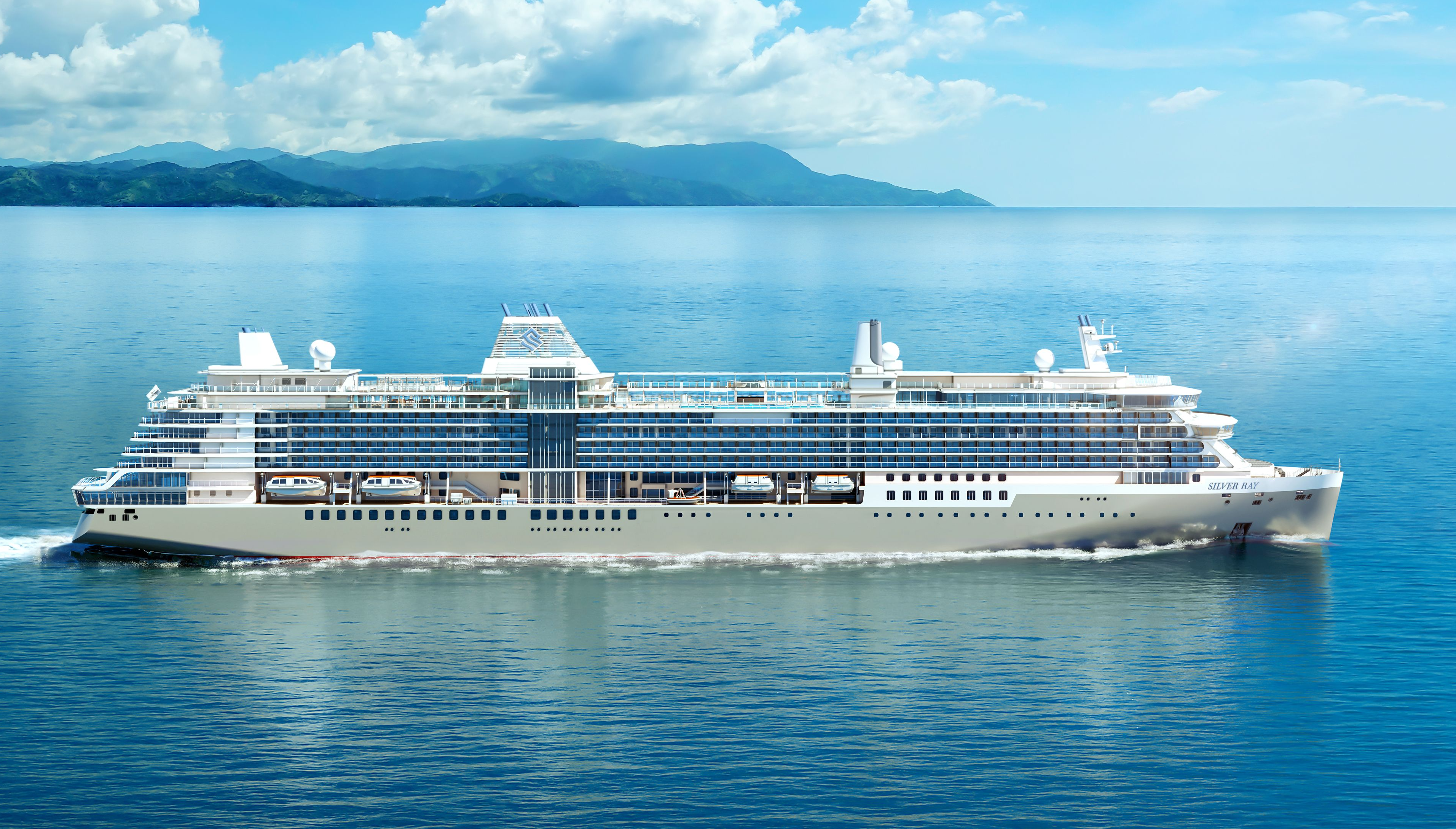
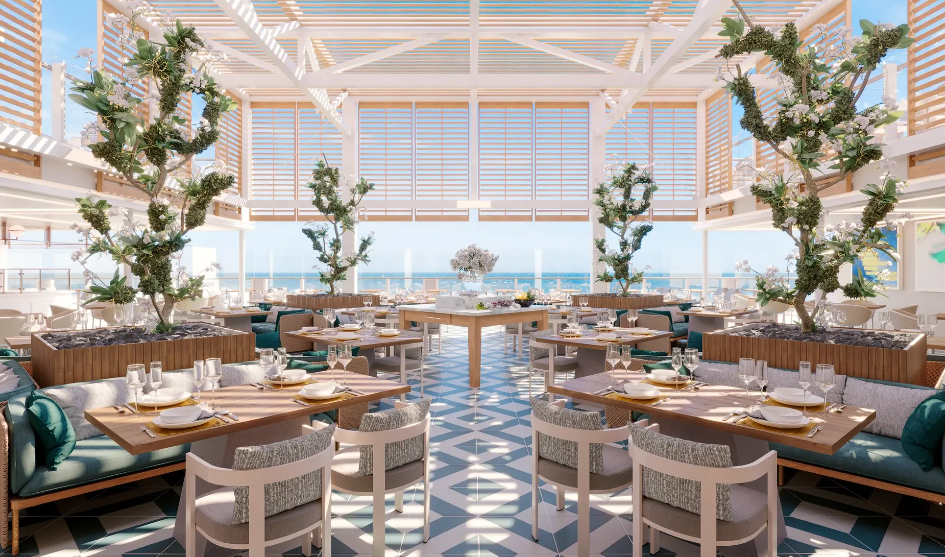
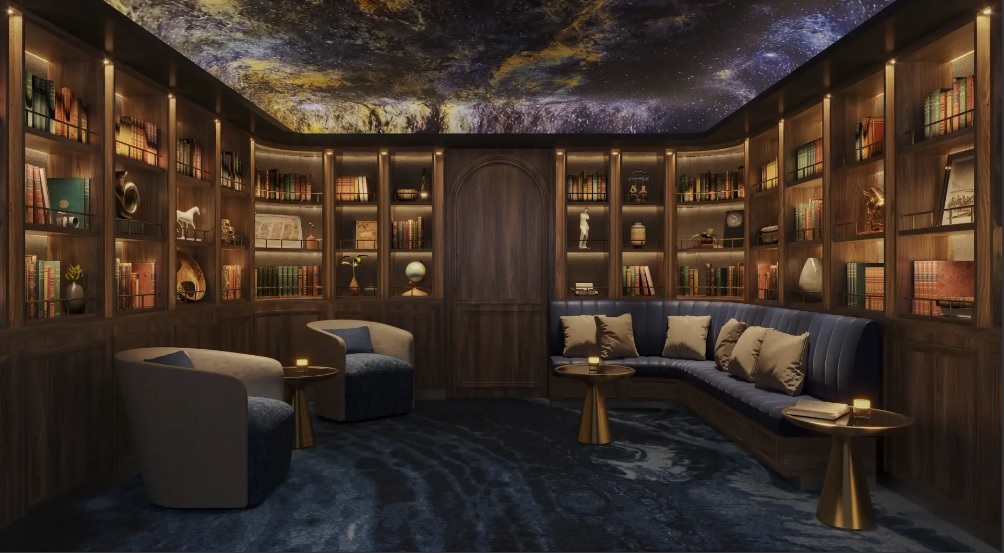
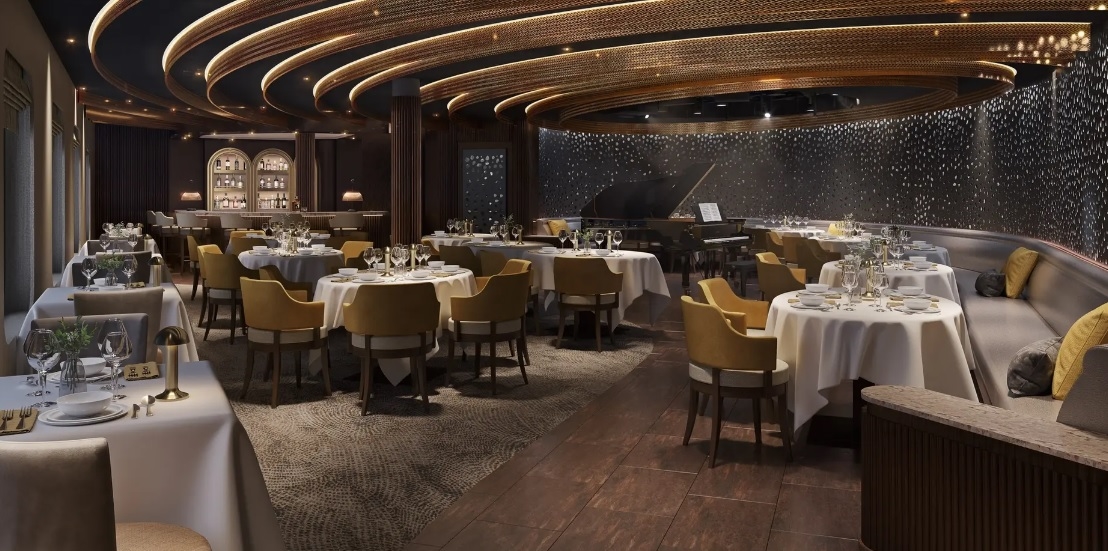
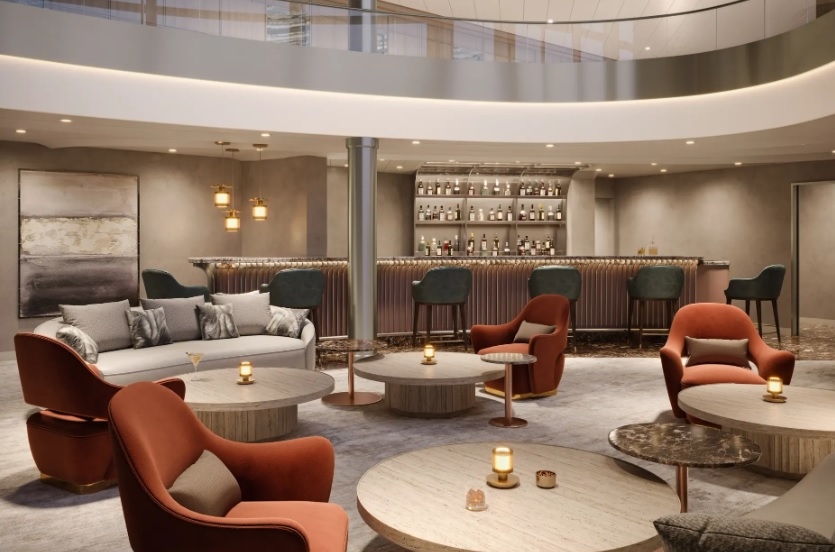
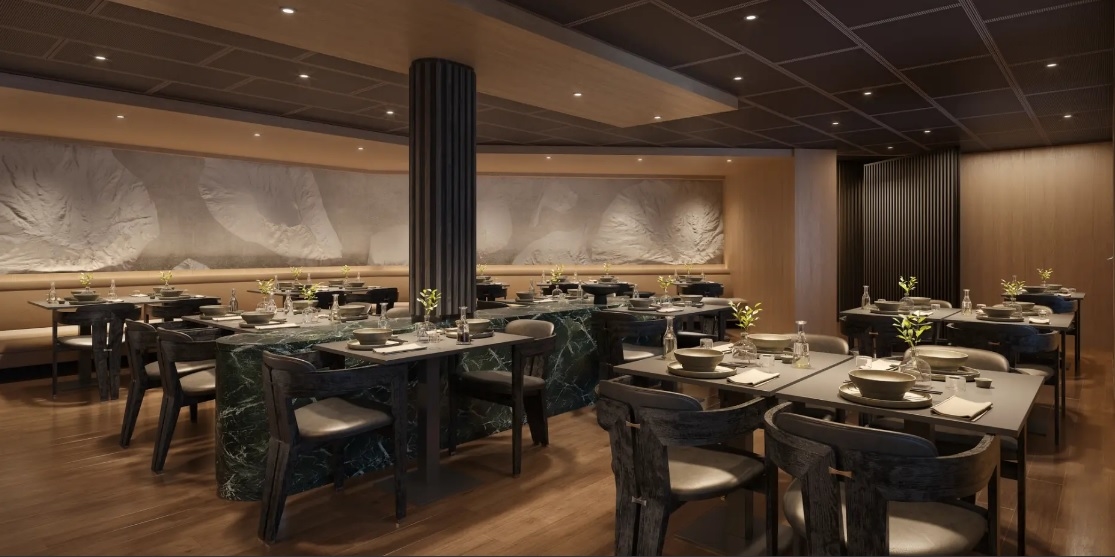
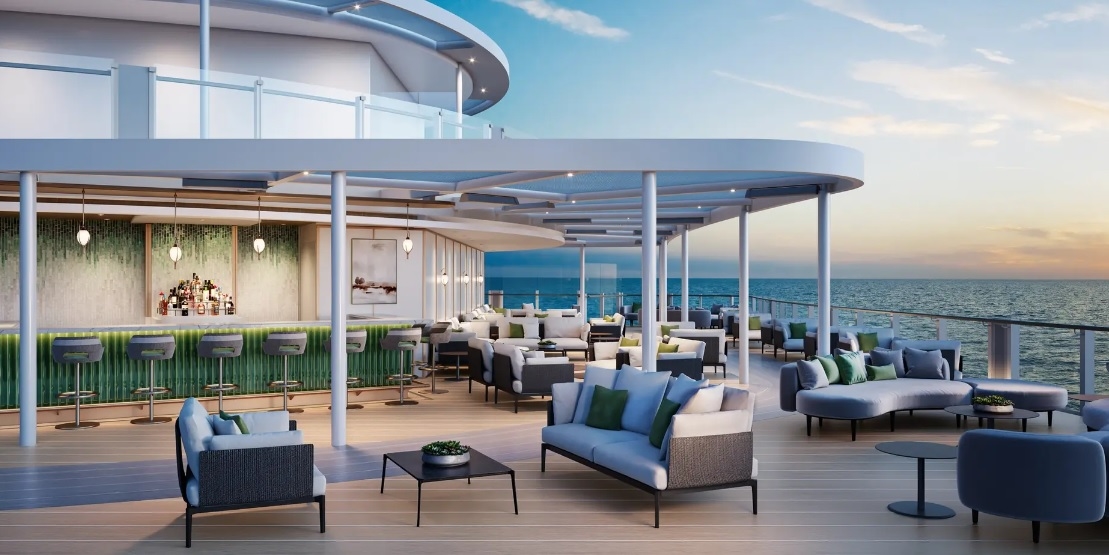
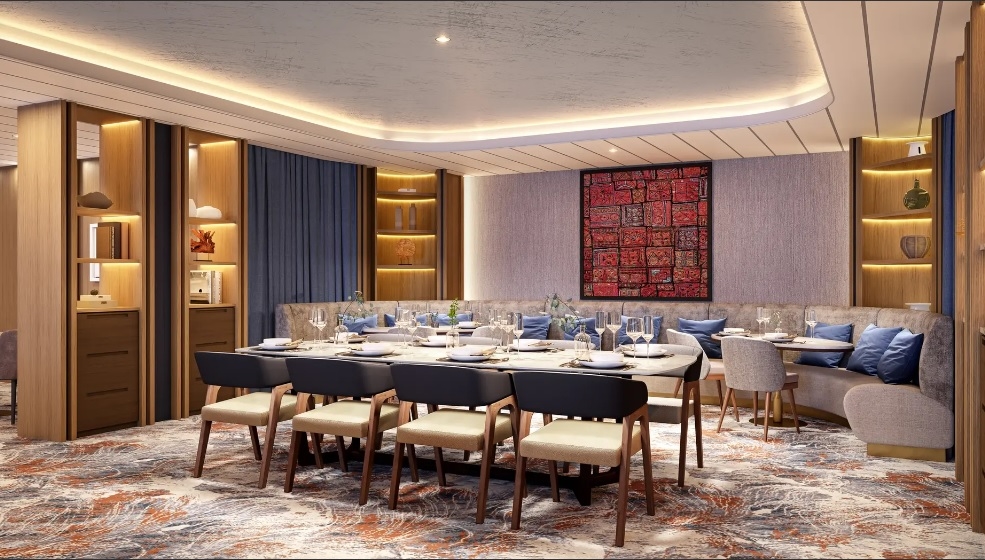
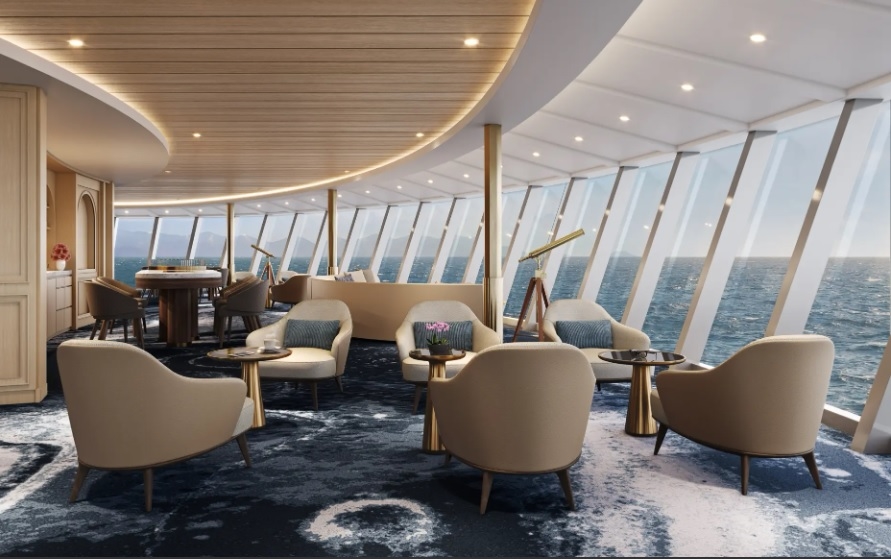
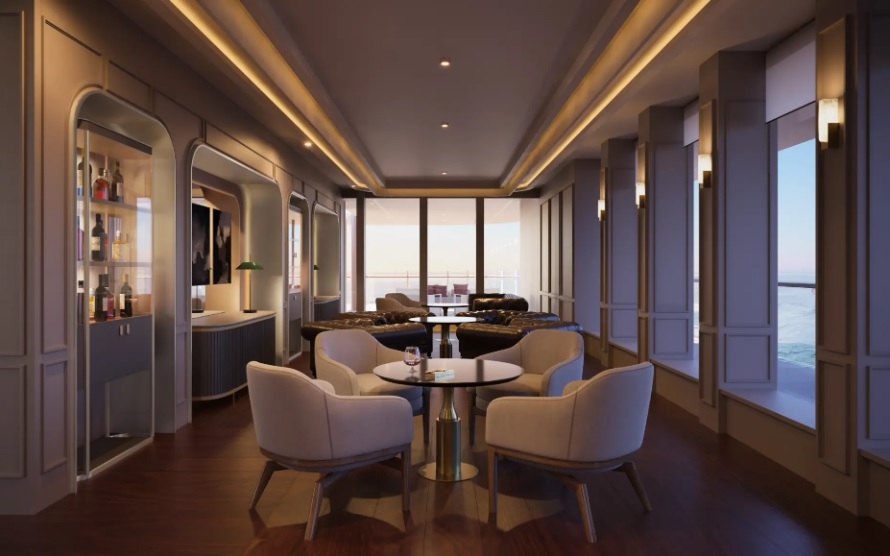
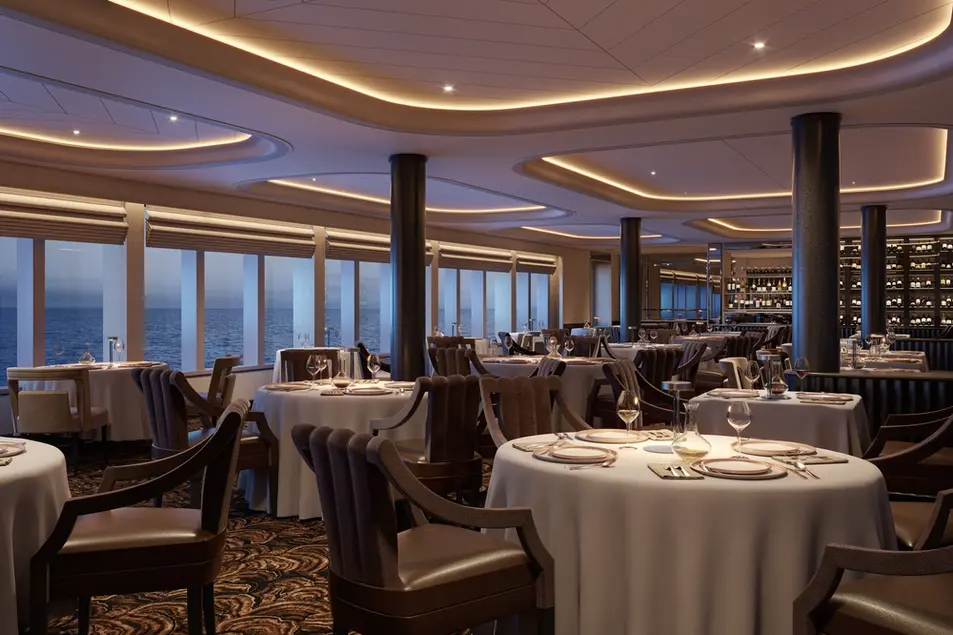
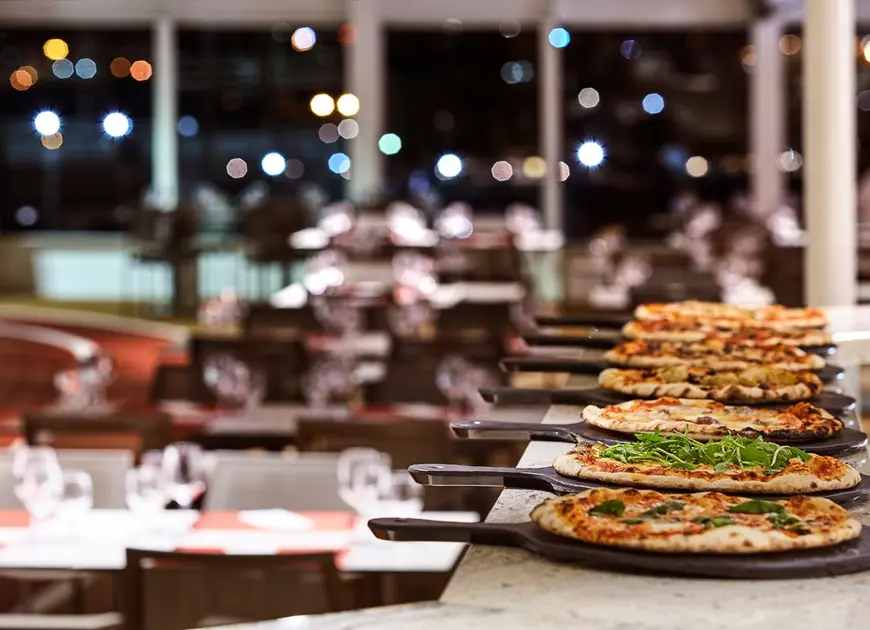
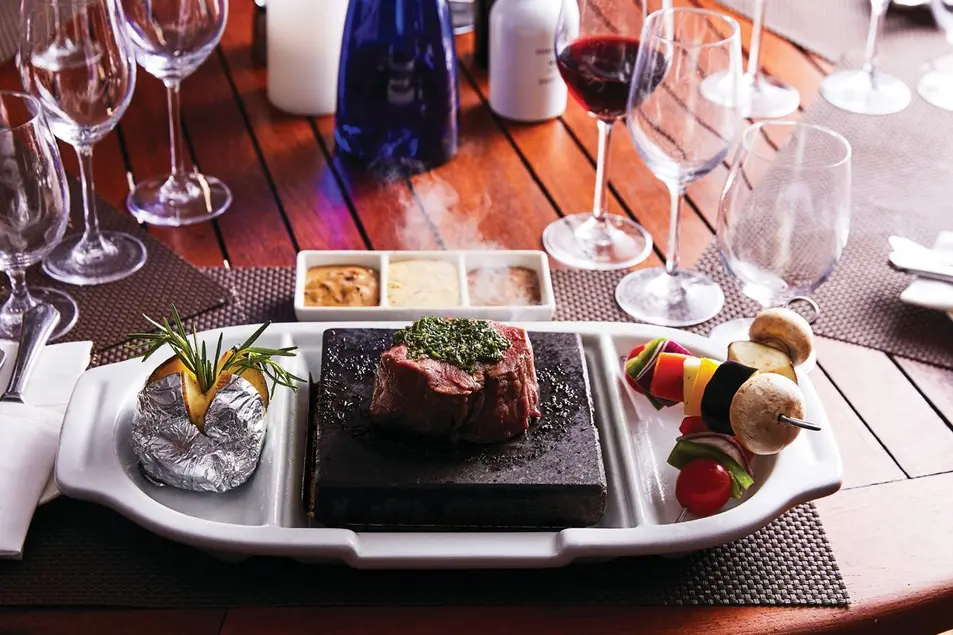
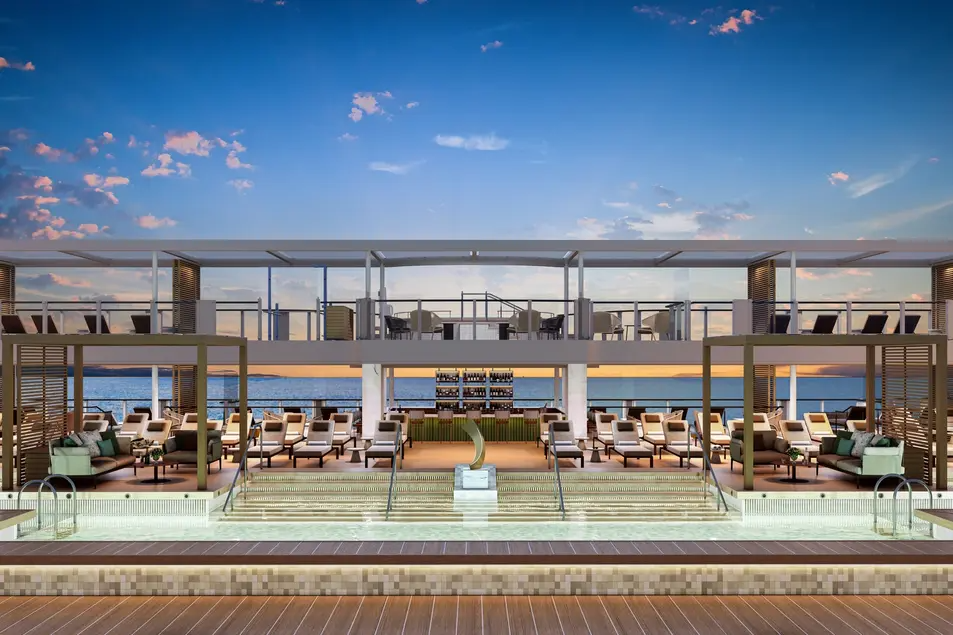
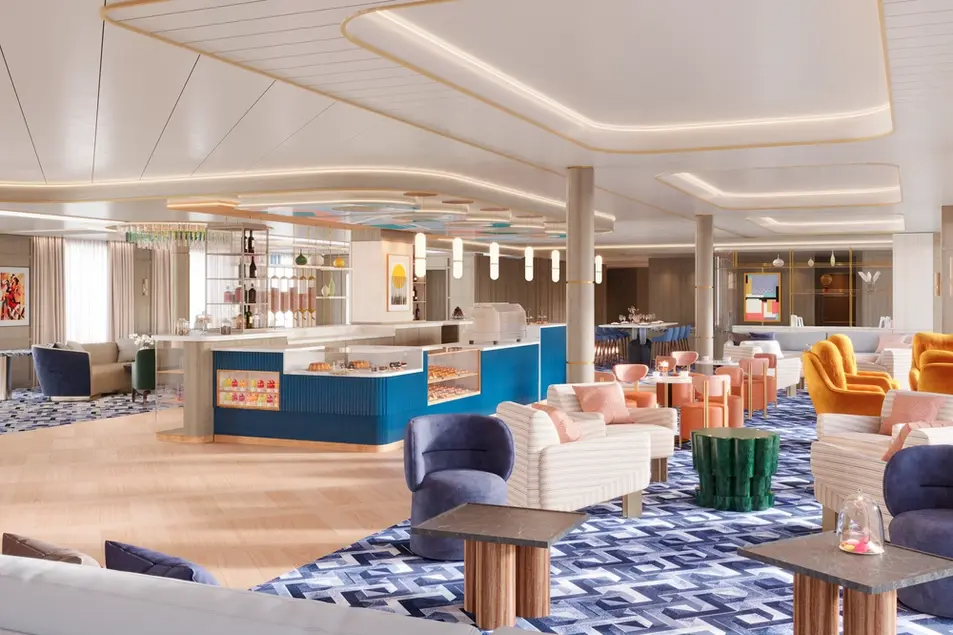
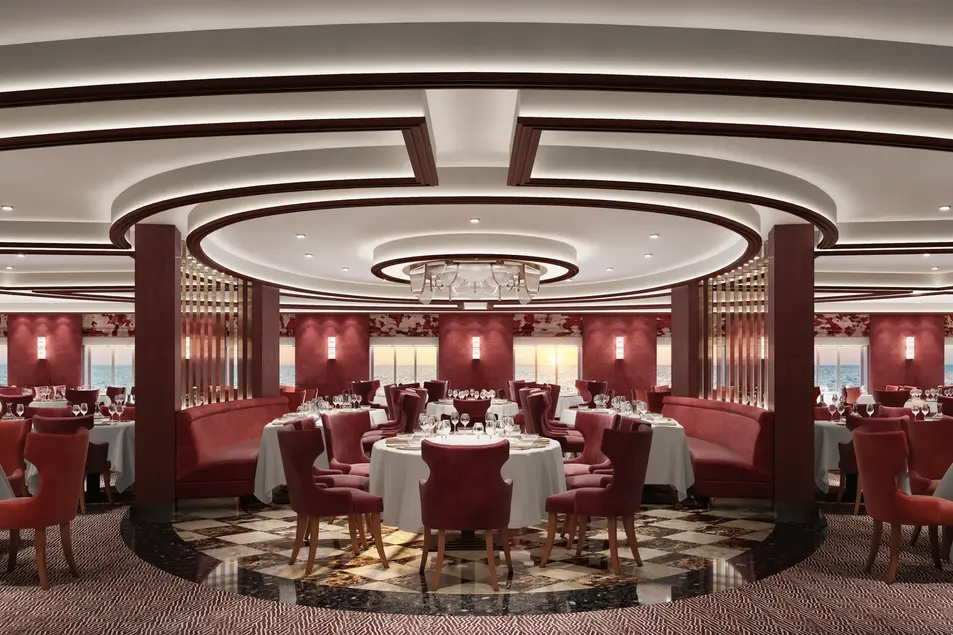
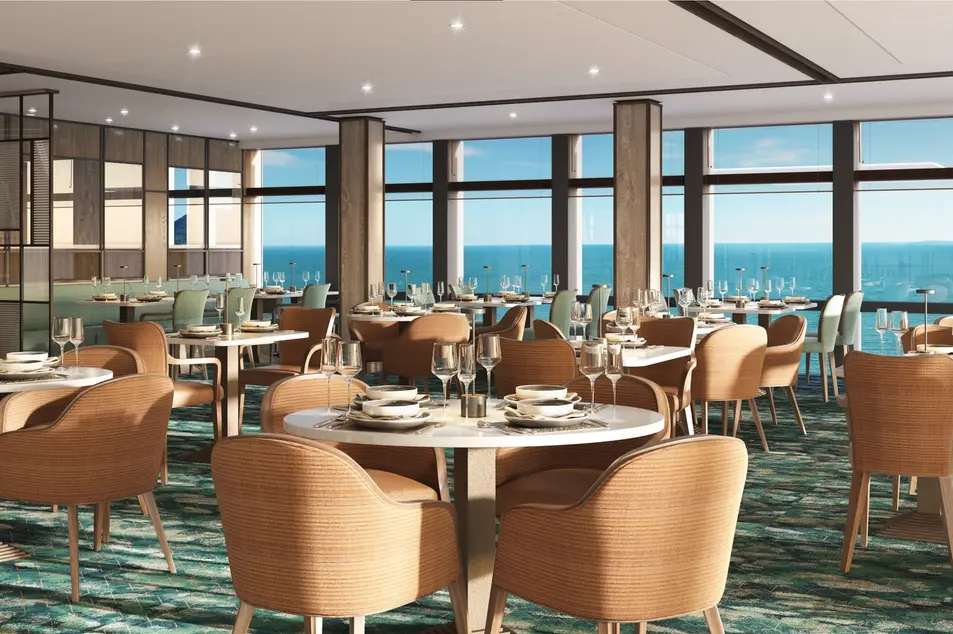
Portraying a dynamic and immediate connection with nature, where the touch of light inspires purity and movement, Silversea’s second Nova Class ship will be named Silver Ray. The pioneering luxury vessel inherits the revolutionary aspects of sister ship Silver Nova – notably the innovative asymmetrical design offering uninterrupted views from every vantage point through an extraordinary use of glass in both public spaces and in suite. At 54,700 gross tons and hosting just 728 guests, she will be among the most spacious ships ever built with a space to guest ratio of 75 GRT-per-passenger. Silver Ray… progressive and gazing at the future.
Fitness Center
Jogging Track
Pool
Wellness Centre
Casino
Connoisseur’s Corner
Observation Lounge
Panorama Lounge
Silver Note
Arts Cafe
Atlantide
Dolce
La Dame
La Terrazza
Spaccanapoli
The Grill
Venetian
Beauty Salon
Day Spa & Fitness Centre
Jacuzzi
Panoramic Lounge
Pool Deck
Spa
Swimming Pool
Whirlpool
Boutique
Description
Portraying a dynamic and immediate connection with nature, where the touch of light inspires purity and movement, Silversea’s second Nova Class ship will be named Silver Ray. The pioneering luxury vessel inherits the revolutionary aspects of sister ship Silver Nova – notably the innovative asymmetrical design offering uninterrupted views from every vantage point through an extraordinary use of glass in both public spaces and in suite. At 54,700 gross tons and hosting just 728 guests, she will be among the most spacious ships ever built with a space to guest ratio of 75 GRT-per-passenger. Silver Ray… progressive and gazing at the future.
Fitness
Fitness Center
Jogging Track
Pool
Wellness Centre
Entertainment
Casino
Connoisseur’s Corner
Observation Lounge
Panorama Lounge
Silver Note
Food and Drink
Arts Cafe
Atlantide
Dolce
La Dame
La Terrazza
Spaccanapoli
The Grill
Venetian
Relaxation
Beauty Salon
Day Spa & Fitness Centre
Jacuzzi
Panoramic Lounge
Pool Deck
Spa
Swimming Pool
Whirlpool
Other
Boutique
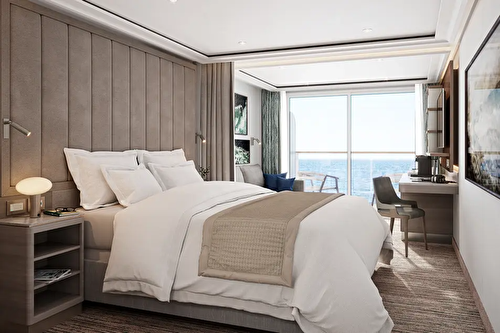
STATEROOMS