

Grand European & Viking Fjords -Bergen to Budapest
- 28 May ‘27
- 21 nights
- Departing from Bergen
- Viking Eir

-
Inside price fromCall for price
-
Outside price fromCall for price
-
Balcony price fromCall for price
-
Suite price fromCall for price
YOUR ITINERARY
Bergen, Norway - Flam - Stavanger, Norway - Kristiansund, Norway - Oslo - Skagen - North Sea Cruising - Amsterdam - Kinderdijk - Cologne - Koblenz - Miltenberg - Main River - Wurzburg - Main Danube Canal - Bamberg - Nuremberg - Regensburg - Passau - Melk - Wachau Valley, Austria - Krems - Vienna - Vienna - Budapest - Budapest
Bergen is a city on Norway’s southwestern coast. It&...
Bergen is a city on Norway’s southwestern coast. It’s surrounded by mountains and fjords, including Sognefjord, the country’s longest and deepest. Bryggen features colorful wooden houses on the old wharf, once a center of the Hanseatic League’s trading empire. The Fløibanen Funicular goes up Fløyen Mountain for panoramic views and hiking trails. The Edvard Grieg House is where the renowned composer once lived.
Flåm is a village in southwestern Norway, in...
Flåm is a village in southwestern Norway, in an area known for its fjords. It sits at the end of Aurlandsfjord, a branch of the vast Sognefjord. The dramatic Stegastein viewing platform juts out high above the Aurlandsfjord. South of Flåm Harbor, the 17th-century wooden Flåm Church lies in the valley. The Flåm Railway offers valley and waterfall views as it climbs to a station on the Hardangervidda plateau.
Stavanger is a city in southwestern Norway. In the ce...
Stavanger is a city in southwestern Norway. In the center of town, Stavanger Cathedral dates back to the city’s 12th-century founding. Stavanger Museum chronicles the city’s history and displays preserved wildlife. The Norwegian Petroleum Museum illuminates the oil industry with submersibles, a large drill bit and an escape chute. The shopping street Øvre Holmegate is known for its colorful houses.
Kristiansund is a municipality on the western coast of Norwa...
Kristiansund is a municipality on the western coast of Norway in the Nordmøre district of Møre og Romsdal county. The administrative center of the municipality is the town of Kristiansund, which is the major town for the whole Nordmøre region
Amsterdam is the Netherlands’ capital, know...
Amsterdam is the Netherlands’ capital, known for its artistic heritage, elaborate canal system and narrow houses with gabled facades, legacies of the city’s 17th-century Golden Age. Its Museum District houses the Van Gogh Museum, works by Rembrandt and Vermeer at the Rijksmuseum, and modern art at the Stedelijk. Cycling is key to the city’s character, and there are numerous bike paths
Kinderdijk is a village in the the NetherlandsR...
Kinderdijk is a village in the the Netherlands’ South Holland province, known for its iconic 18th-century windmills. Its water-management network features 19 mills and 3 pumping stations, plus dikes and reservoirs that control flooding in the polder (low-lying land). Waterways, footpaths and bike trails crisscross the area, leading to the main visitors center and museums in preserved working windmills.
Cologne, a 2,000-year-old city spanning the Rhine River in ...
Cologne, a 2,000-year-old city spanning the Rhine River in western Germany, is the region’s cultural hub. A landmark of High Gothic architecture set amid reconstructed old town, the twin-spired Cologne Cathedral is also known for its gilded medieval reliquary and sweeping river views. The adjacent Museum Ludwig showcases 20th-century art, including many masterpieces by Picasso, and the Romano-Germanic Museum houses Roman antiquities.
Koblenz, spelled Coblenz before 1926, is a German ...
Koblenz, spelled Coblenz before 1926, is a German city on the banks of the Rhine and of the Moselle, a multi-nation tributary. Koblenz was established as a Roman military post by Drusus around 8 B.C. Its name originates from the Latin cōnfluentēs, meaning ” confluence”.
Miltenberg is a town in the Regierungsbezirk of Lo...
Miltenberg is a town in the Regierungsbezirk of Lower Franconia in Bavaria, Germany. It is the seat of the like-named district and has a population of over 9,000.
The Würzburg Residence is a palace in Würzburg, Germ...
The Würzburg Residence is a palace in Würzburg, Germany. Johann Lukas von Hildebrandt and Maximilian von Welsch, representatives of the Austrian/South German Baroque style, were involved in the construction, as well as Robert de Cotte and Germain Boffrand, who were followers of the French Style.
Bamberg is a town in northern Bavaria, Germany, laid out o...
Bamberg is a town in northern Bavaria, Germany, laid out over 7 hills where the Regnitz and Main rivers meet. Its old town preserves structures from the 11th to 19th centuries including the muraled Altes Rathaus (town hall), which occupies an island in the Regnitz reached by arched bridges. The Romanesque Bamberg Cathedral, begun in the 11th century, features 4 towers and numerous stone carvings.
Nuremberg is the second-largest city of the German state of...
Nuremberg is the second-largest city of the German state of Bavaria after its capital Munich, and its 518,370 inhabitants make it the 14th-largest city in Germany
Regensburg, a Bavarian city on the Danube River in southeas...
Regensburg, a Bavarian city on the Danube River in southeast Germany, is known for its well-preserved medieval core. The 12th-century Stone Bridge, a 310m-long icon with 16 arches, crosses the river to the old town. The 13th-century Regensburg Cathedral, a twin-spired Gothic landmark, is home to the Regensburger Domspatzen choir. Walhalla, a Parthenon replica just east of the city, honors illustrious Germans.
Passau, a German city on the Austrian border, lies at the ...
Passau, a German city on the Austrian border, lies at the confluence of the Danube, Inn and Ilz rivers. Known as the Three Rivers City, it’s overlooked by the Veste Oberhaus, a 13th-century hilltop fortress housing a city museum and observation tower. The old town below is known for its baroque architecture, including St. Stephen’s Cathedral, featuring distinctive onion-domed towers and an organ with 17,974 pipes.
Melk is an Austrian town on the River Danube, west of Vienna...
Melk is an Austrian town on the River Danube, west of Vienna. It’s known for the 11th-century Melk Abbey, a vast monastery built high above the town. Gold statuary adorns its domed Abbey Church, and the huge library houses medieval manuscripts. The Marmorsaal is a baroque hall with a ceiling fresco and red marble walls. South of Melk, gardens surround Renaissance Schallaburg Castle, which hosts cultural exhibitions. ―
Krems an der Donau is a town of 23,992 inhabitants i...
Krems an der Donau is a town of 23,992 inhabitants in Austria, in the federal state of Lower Austria. It is the fifth-largest city of Lower Austria and is approximately 70 kilometres west of Vienna. Krems is a city with its own statute, and therefore it is both a municipality and a district.
Vienna, Austria’s capital, lies in the country’s e...
Vienna, Austria’s capital, lies in the country’s east on the Danube River. Its artistic and intellectual legacy was shaped by residents including Mozart, Beethoven and Sigmund Freud. The city is also known for its Imperial palaces, including Schönbrunn, the Habsburgs’ summer residence. In the MuseumsQuartier district, historic and contemporary buildings display works by Egon Schiele, Gustav Klimt and other artists.
Vienna, Austria’s capital, lies in the country&#...
Vienna, Austria’s capital, lies in the country’s east on the Danube River. Its artistic and intellectual legacy was shaped by residents including Mozart, Beethoven and Sigmund Freud. The city is also known for its Imperial palaces, including Schönbrunn, the Habsburgs’ summer residence. In the MuseumsQuartier district, historic and contemporary buildings display works by Egon Schiele, Gustav Klimt and other artists.
Budapest, Hungary’s capital, is bisected by ...
Budapest, Hungary’s capital, is bisected by the River Danube. Its 19th-century Chain Bridge connects the hilly Buda district with flat Pest. A funicular runs up Castle Hill to Buda’s Old Town, where the Budapest History Museum traces city life from Roman times onward. Trinity Square is home to 13th-century Matthias Church and the turrets of the Fishermen’s Bastion, which offer sweeping views.
Budapest, Hungary’s capital, is bisected by the ...
Budapest, Hungary’s capital, is bisected by the River Danube. Its 19th-century Chain Bridge connects the hilly Buda district with flat Pest. A funicular runs up Castle Hill to Buda’s Old Town, where the Budapest History Museum traces city life from Roman times onward. Trinity Square is home to 13th-century Matthias Church and the turrets of the Fishermen’s Bastion, which offer sweeping views.
YOUR SHIP - The Viking Eir
The goddess Eir is by many accounts “the best of all physicians.” But scholars differ on the capacity in which she used her power. Some depict her as a goddess of healing, tending to the sick and the war-wounded. Others view her as a horse-riding Valkyrie who rides into battles to decide which soldiers die and which live.
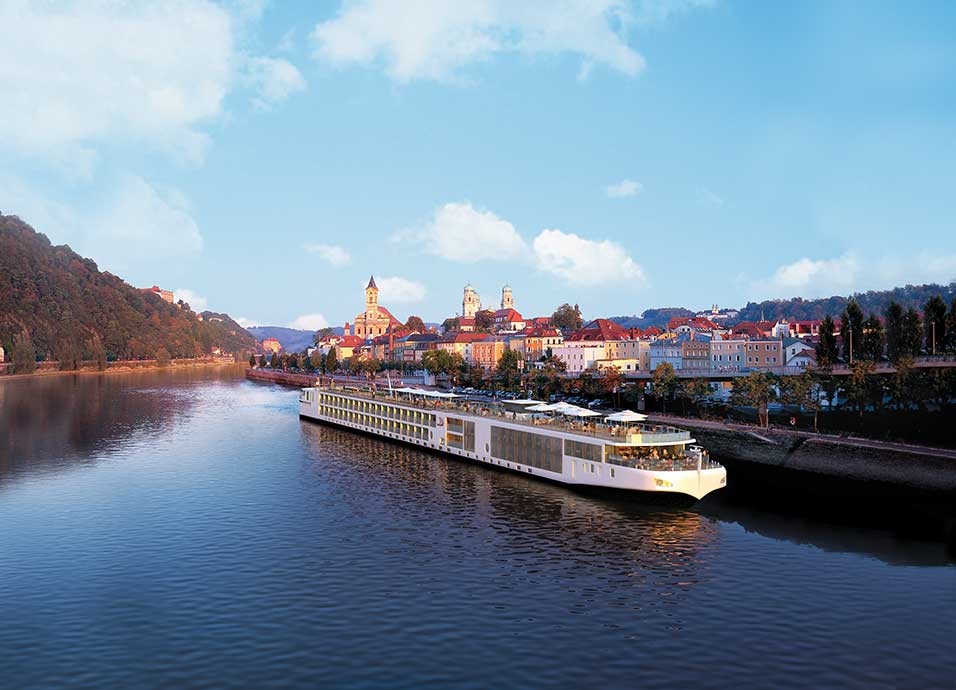
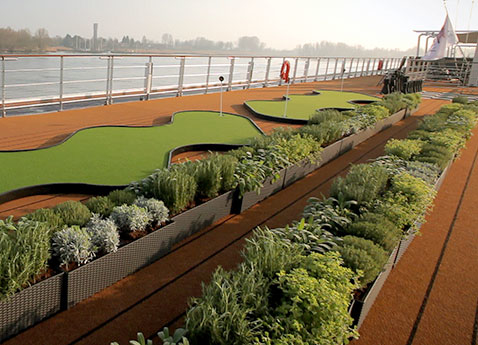
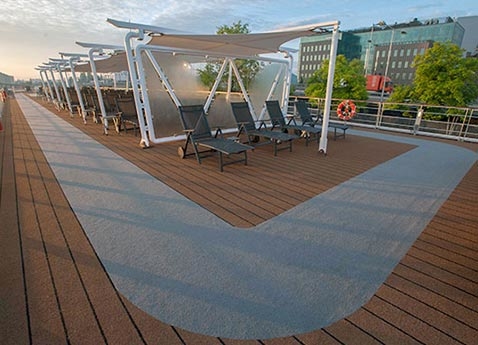
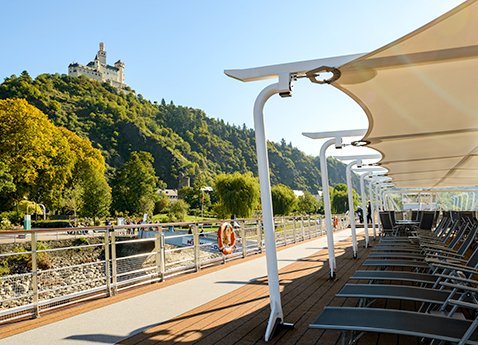


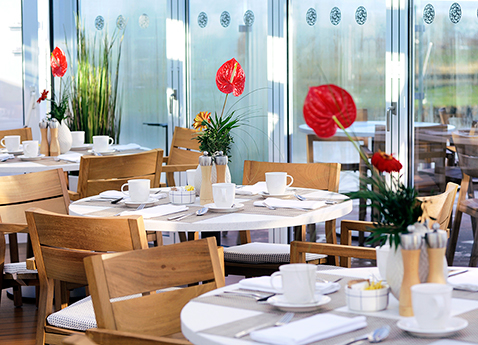
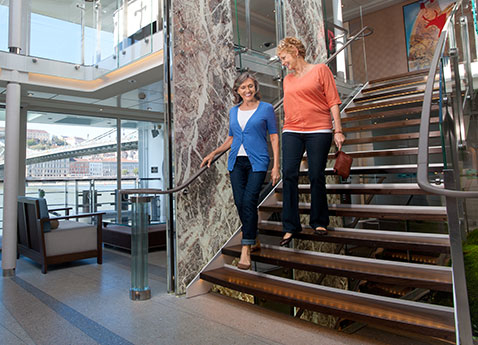
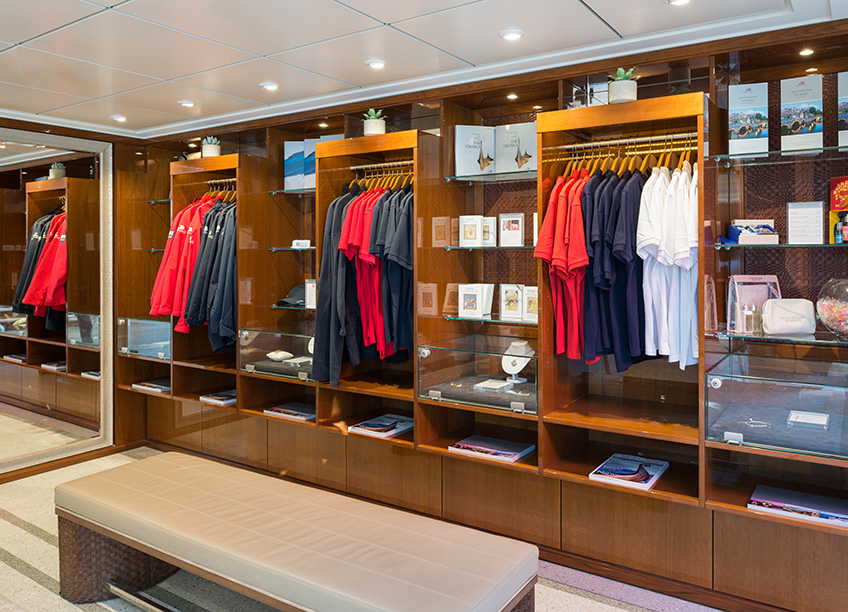
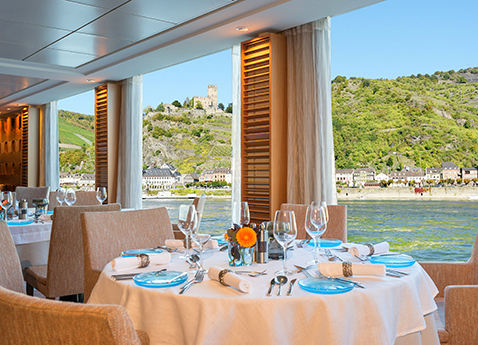
The goddess Eir is by many accounts “the best of all physicians.” But scholars differ on the capacity in which she used her power. Some depict her as a goddess of healing, tending to the sick and the war-wounded. Others view her as a horse-riding Valkyrie who rides into battles to decide which soldiers die and which live.
Glaciers
Library
Wi-Fi
Internet Cafe
Description
The goddess Eir is by many accounts “the best of all physicians.” But scholars differ on the capacity in which she used her power. Some depict her as a goddess of healing, tending to the sick and the war-wounded. Others view her as a horse-riding Valkyrie who rides into battles to decide which soldiers die and which live.
Recreational
Glaciers
Entertainment
Library
Wi-Fi
Technology
Internet Cafe
STATEROOMS

suite
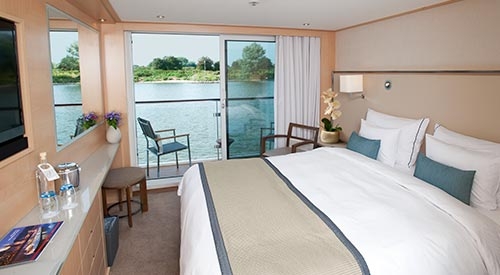
balcony