
Barcelona to Civitavecchia (Rome)
- 12 May ‘27
- 17 nights
- Departing from Barcelona
- Silver Ray

-
Inside price fromCall for price
-
Outside price fromCall for price
-
Balcony price fromCall for price
-
Suite price fromCall for price
YOUR ITINERARY
Barcelona, Spain - Toulon, France - Ajaccio,Corsica, France - Cannes, France - Valencia, Spain - Ibiza, Spain - Palma De Mallorca, Spain - Alcudia, Mallorca, Spain - Barcelona, Spain - Cagliari (Sardinia), Italy - Trapani - Valletta, Malta - Giardini Naxos, Sicily - Agropoli - Sorrento, Italy - Civitavecchia
The infinite variety of street life, the nooks and crannies o...
The infinite variety of street life, the nooks and crannies of the medieval Barri Gòtic, the ceramic tile and stained glass of Art Nouveau facades, the art and music, the throb of street life, the food (ah, the food!)—one way or another, Barcelona will find a way to get your full attention. The capital of Catalonia is a banquet for the senses, with its beguiling mix of ancient and modern architecture, tempting cafés and markets, and sun-drenched Mediterranean beaches.
A stroll along La Rambla and through waterfront Barceloneta, as well as a tour of Gaudí’s majestic Sagrada Famíliaand his other unique creations, are part of a visit to Spain’s second-largest city. Modern art museums and chic shops call for attention, too. Barcelona’s vibe stays lively well into the night, when you can linger over regional wine and cuisine at buzzing tapas bars.
Built around a sheltered bay, with 1,700-foot Mount...
Built around a sheltered bay, with 1,700-foot Mount Faron as an impressive backdrop, Toulon is an important naval port and a city of industry and manufacturing. Its large harbor serves as the base for the French navy’s Mediterranean fleet and as the home to a sizeable marina, with yachts and pleasure boats adding bright splashes of color.
Toulon was the site where Napoleon Bonaparte first made a name for himself in 1793 during a siege in which the English, who had taken over Toulon, were expelled.
During World War II, the bulk of the French fleet anchored off Toulon was scuttled by French crews to prevent its acquisition by occupying German forces. The city was liberated in 1944 by French troops.
A maze of pedestrian streets constitutes the heart of old Toulon. Shops and colorful stalls make it an attractive area to explore. Avenue de la République runs parallel to the waterfront. At the western edge of the quay is the Naval Museum featuring an excellent collection of old and new ship models, figureheads, paintings and other items related to Toulon’s maritime history.
The town’s attractions can be seen in a fairly short time. Most visitors come here to explore the hinterland and other parts of the Riviera.
Ajaccio is Corsica’s largest town. As such, it retains th...
Ajaccio is Corsica’s largest town. As such, it retains the image of a typical French Mediterranean resort – palm trees, street cafés and a marina full of yachts from around the world. Set in a magnificent bay with a shadowy mountain range as a scenic backdrop, its first image is of yellow-toned buildings and a majestic citadel.
Ajaccio also serves as a popular departure point for trips into Corsica’s rugged interior
The city is centered on the old port, with a compact central par...
The city is centered on the old port, with a compact central part. Bordered by palm trees and flowers, La Croisette is one of the city’s hottest spots and the main promenade running alongside the narrow beach. The old town, Le Suquet, where Gallo-Roman tombs were discovered, provides a medieval feeling and magnificent views of the bay from atop its hill.
Valencia is Spain’s third largest city and cap...
Valencia is Spain’s third largest city and capital of the region. It was originally founded by the Romans on the banks of the river Turia in 138 BC. In 711 AD the Moors arrived and converted the area into a rich agricultural and industrial center, establishing ceramics, paper, silk and leather industries. Muslim rule was briefly interrupted in 1094 by the legendary Castillian knight, El Cid. Valencia boomed in the 15th and 16th centuries, becoming one of the strongest Mediterranean trading centers.
Valencia is a vibrant, friendly and chaotic city that boasts an outstanding fine arts museum and one of the most exciting nightlife scenes in Spain. The city center is about 3 miles inland from the coast. Plaza del Ayuntamiento marks the center of Valencia. Surrounded by flower stalls, it is also home to the town hall and the main post office. The cathedral was begun in the 13th century and finished in 1482. It has many architectural styles, including Gothic, Baroque and Romanesque. The octagonal bell-tower, called Miguelete, is one of the city’s landmarks. The small cathedral museum boasts a tabernacle made from 550 pounds of gold, silver, platinum, emeralds and sapphires. It also purports to be the home of the Holy Grail, the cup used by Christ at the Last Supper.
West of the cathedral is the oldest part of the city, known as El Carme. Situated across the river in the Jardines del Real is the Museo de Bellas Artes, the Fine Arts Museum. Works include those by El Greco, Goya and Velázquez.
A mystical island of rustic beauty, featuring long stre...
A mystical island of rustic beauty, featuring long stretches of sandy beaches, hidden coves and sunsets that ladle flourishes of reds and pinks across the skies. The White Isle is so much more than just its thudding summer party scene – and an island of culture, fine dining and sophisticated elegance awaits. Ibiza has always called out to those seeking escape and sanctuary, and you’ll soon feel the island’s magic as you dive with dolphins, dine on calamari and octopus platters, and revel in Ibiza’s rejuvenating, artistic ambience. View less
Ibiza Town’s 16th-century old town is a maze of wide cobbled streets, lined with a crowd of outdoor bars and energetic restaurants serving up heavy platters of fresh seafood. The steep walls of the rustic citadel, Dalt Vila fortress, tower over the town and the area is peppered with museums and historical quirks, as well as the crowning Catedral de Eivissa. Wind up along pathways of uneven cobbles for unrivalled views out over the city and waves below. Play golf on peaceful courses, which unspool along the coastline, lounge on a beach or sail with the yachting crowd on the calm waves, as you rejuvenate in Ibiza’s heavenly glow. Beaches are long and sandy – choose between humming options where water sports and casual beach volleyball matches take place, or seek out quieter scenic coves to enjoy the shade of pine trees and swim in shallow waters. You may find that you’re mysteriously drawn to the 400-metre-high protrusion of Es Vedra – a rocky, uninhabited island, which rears from the waves opposite Cala d’Hort beach. Island whispers proclaim it to be the earth’s third magnetic point, and home to the sirens of Ancient Greece.
The Balearics are comprised of 16 islands; the three princ...
The Balearics are comprised of 16 islands; the three principal ones are Mallorca, Ibiza and Minorca. Carthaginians, Romans, Vandals and Arabs have invaded these islands over the centuries. Ruins show evidence of the prehistoric Talayot civilization, a megalithic culture that flourished here between 1500 BC and the Roman conquest. Today the islands are besieged by invaders of a different sort – hordes of tourists.
Lying 60 miles (97 km) off the Spanish mainland, the islands’ lush and rugged landscape combined with an extremely mild, sunny climate proves irresistible, especially to northern Europeans. As a result, the Balearics boast cosmopolitan resorts with lively nightlife and plenty of sports activities.
Mallorca (also spelled Majorca) is the largest of the islands, with an area of more than 1,400 square miles (3626 sq.km). The scenery is magnificent, with cliffs along indented shorelines jutting out of the sea and mountain ranges sheltering the plains from harsh sea breezes. The fertile plain in the centre is covered with almond and fig trees plus olive groves with some trees more than 1,000 years old. Tall pines, junipers and oaks line the mountain slopes.
Palma de Mallorca is the capital of the archipelago. A cosmopolitan city with sophisticated shops and restaurants, it also offers buildings of spectacular Moorish and Gothic architecture.
In the western part of Mallorca, nestled into the mountains, lies the village of Valldemosa. It is known for its Carthusian Monastery where Frédéric Chopin and George Sand spent the winter of 1838-39.
Nothing if not strategic, Alcúdia is the idea...
Nothing if not strategic, Alcúdia is the ideal base for exploring Mallorca’s north coast, with the 13-km-long (8-mile-long) beach from Port d’Alcúdia to C’an Picafort and the adjacent Playa de Muro, the bird-watchers’ paradise in the S’Albufera wetlands, and the spectacular drive along the corniche to Cap de Formentor. The charming little walled town itself is a capsule version of Mallorcan history: the first city here was a Roman settlement, in 123 BC.
The infinite variety of street life, the nooks and crannie...
The infinite variety of street life, the nooks and crannies of the medieval Barri Gòtic, the ceramic tile and stained glass of Art Nouveau facades, the art and music, the throb of street life, the food (ah, the food!)—one way or another, Barcelona will find a way to get your full attention. The capital of Catalonia is a banquet for the senses, with its beguiling mix of ancient and modern architecture, tempting cafés and markets, and sun-drenched Mediterranean beaches.
A stroll along La Rambla and through waterfront Barceloneta, as well as a tour of Gaudí’s majestic Sagrada Famíliaand his other unique creations, are part of a visit to Spain’s second-largest city. Modern art museums and chic shops call for attention, too. Barcelona’s vibe stays lively well into the night, when you can linger over regional wine and cuisine at buzzing tapas bars.
The serene sea approach to Cagliari is an exquisitely b...
The serene sea approach to Cagliari is an exquisitely beautiful way to first lay eyes on the city’s mesmerising interplay of colour, spires and domed churches. Sat on Sardinia’s south coast, Cagliari is the island’s largest city, and a sun-blessed escape of beaches, architecture and Mediterranean food – where stress evaporates on contact. That first sight of Cagliari’s mosaic of architecture reveals much about the island’s history, and is a living document of the civilisations and influences that have passed through.
Combining Byzantine churches with crumbling Roman ruins and Pisan towers, it’s an elegant, beguiling place to explore. Usher in the morning with a short, sharp espresso hit, before wandering along to San Benedetto market’s bustle, crammed full of overflowing heaps of local produce. Taste crisp, freshly-baked bread, thin shavings of sheep’s cheese, and ripe red strawberries, as you wander amid the market’s melody of good-natured bartering. The Castello quarter’s tight, flower-draped streets and salmon-hued brick buildings incline up above the Med’s softly lapping waves. Climb Bastione di Saint Remy staircase to Terrazza Umberto’s views of the turquoise Gulf of Angels. Next, Cathedral of Santa Maria awaits, with its marbled interiors, elaborate side chapels and intricately decorated crypt. Once you’ve unravelled Cagliari’s historical tapestry, Poetto Beach invites you to find a spot on almost five miles of uninterrupted sand, met by a dazzling expanse of turquoise water. On a hot summer’s day, soak up some sun before saluting the sunset with an ice cold Spritz at a beachside bar. Spaghetti with salted bottarga and artichokes will keep the good times rolling, perfectly accompanied by a glass of ruby-coloured Cannonau wine.
Surrounded by glowing turquoise waters and rugged coast...
Surrounded by glowing turquoise waters and rugged coastline, Trapani invites you to explore western Sicily’s ruins, intense flavours, and sun-soaked leisure pursuits. Built on salt and tuna exports, Trapani is experiencing a renaissance, having been lovingly spruced up as a sailing capital, and an international airport bringing in visitors from far and wide. The town looks out over the Egadi Islands, gazing west to witness some of Siciliy’s most evocative sunset displays. View less
Start exploring Trapani from its historic core, a dense network of alleys hosting a collection of small shops, restaurants and wine bars. You’ll encounter the Cathedral of San Lorenzo – where colourful artworks are spread below sweeping arches and a beautiful domed roof. Sicily feels like an island on the cusp of continents, and Trapani practically has one foot in Africa, as you soak in its pretty whitewash houses and fusion of foods and arts. Discover the Ancient Greek influence by venturing to rich archaeological sites nearby, like Selinus and Segesta, where the treasures from the past have been unearthed and displayed. Pyramids of white salt rise up at the Riserva Naturale Saline di Trapani e Paceco. These salt marshes and windmills are a symbol of Trapani, and although sea salt production is much less important today, the small white hills remain a Trapani landmark. Look out for the pink flamingos wading in the salt pans below. For beach days, the Egadi Islands can be easily reached from Trapani – Favignana is the largest and most popular.
Perched high on the imposing Sciberras Peninsula, Valletta immed...
Perched high on the imposing Sciberras Peninsula, Valletta immediately presents its massive, protective walls and vertical bastions to visitors arriving by sea. Rising to 47 metres in places, the fortifications protect lavish palaces, grand domes and illustrious gardens. Built by the Knights of St John on the narrow peninsular, Valletta is a compact, richly historical treasure trove of Baroque wonders. Ascend to reach the restful, flower-filled Upper Barrakka Gardens, where cannons fire and boom in salute at noon each day, sending echoing cracks of noise out across the waves below. View less
Recognised as 2018’s European Capital of Culture, Valletta is a fascinating and dense haven of history and intrigue. A busy, bustling capital, the breathtaking St John’s Cathedral – commissioned in 1572 – is almost concealed among its narrow streets. The relatively modest exterior is counterpointed by a staggeringly opulent, gold-leaf bathed interior, containing a Caravaggio masterpiece – the shadowy vision of the Beheading of St John. Cinematic and magnificent, Valletta has served as a filming location for Game of Thrones – but real epic history abounds on this rocky isle too. From the prehistoric and megalithic sites of the Hypogeum of Paola and Tarxien, to the fascinating War Museum at Fort St Elmo. Mdina also waits nearby, and the former medieval capital is a striking contrast to the island’s main city. Cars are barred from its streets, and it offers endlessly atmospheric old-time wanders. With a strategic positioning in the Mediterranean, Malta is a jewel that many have wrestled for over the centuries. Independence from Britain was finally achieved in 1964, but the close allegiance remains evident, with English recognised as an official language, cars driving on the left, and red post boxes and telephone gleaming in Malta’s sunshine.
Hugging a long, sweeping bay, Giardini Naxos welc...
Hugging a long, sweeping bay, Giardini Naxos welcomes you ashore to some of Sicily’s most scenic and historic sites. Naxos was the first Greek settlement on Sicily, and it is surrounded by remarkable remains and swirling mythology. With a long arc of sun-soaked golden sand, you can kick back by the waves – and cool off with a dip into the sea’s refreshing embrace. Up above the seaside revelry, the spectacular Taormina hillside town perches – containing rich Roman and Greek history. View less
Visit to encounter one of Sicily’s best views, as you look down over the rejuvenating blue of the sea, and the looming backdrop of Mount Etna rising in the distance. The majestic, honey-coloured Greek theatre is a highlight, standing before the distant loom of the volcano. Head towards the puffs of cloud, and wisps of smoke, that gather around the peak of Sicily’s mighty volcano, which is among the most active in Europe. Arrive through vineyards, thriving in this fertile soil, before taking the 1,737-metre incline to the summit of the legendary mountain of fire, across fields of solidified lava flows. Known to the Greeks as the home of the God of Fire, and the one-eyed Cyclops, the mountain continues to amaze and awe with its restless power. Vineyards carpet the scenery – interrupted by occasional cactai and citrus groves – and produce some of Sicily’s most refined flavors. Enjoy a glass of wine on Giardini Naxos’ seafront, and toast your time on these rich Sicilian shores.
Set high atop the Mediterranean cliffs, Sorrento is ...
Set high atop the Mediterranean cliffs, Sorrento is a town of extraordinary beauty that has endured as a favoured resort for centuries. In addition to its own attractions, Sorrento is also known as a popular gateway to Pompeii, Italy’s most celebrated classical ruins. They offer a look at the finest example of a Roman town and its way of life, presented to modern eyes by excavation.
The ever-popular Isle of Capri is just a short distance from Sorrento by jet-foil. It ranks as one of Italy’s most beautiful islands and has captured the fancy of visitors for centuries. Its excellent year-round climate, spectacular landscape and fantastic sea caverns ensure a never-ending stream of tourists. In addition, the island boasts lavish villas, elegant hotels, chic boutiques and quaint restaurants, making it easy to understand why Capri has become so popular.
Discover the charm of Sorrento, enjoy the famous archaeological sites and breathtaking scenery of the Amalfi Drive, or sit in a shady sidewalk café with an espresso or a cold drink and savour the local ambiance.
All roads lead to Rome, and with good reason – this c...
All roads lead to Rome, and with good reason – this city is one of the world’s most thrilling, offering unmatched history along every street. An evocative, inspiring and utterly artistic capital of unrivalled cultural impact, Rome is a city of back-to-back landmarks, which will take you on an exhilarating journey through the ages. This may be one of the world’s oldest cities, but it’s well and truly lived in. The ruins are punctuated with murmuring cafes, and the outdoor seating of restaurants sprawls out across piazzas, enticing you to sample tangles of creamy pasta and crispy pizzas. Rome’s incredible Roman Forum is littered with the ruins of its ancient administrations, which have stood firm for 2,000 years, since the times when the area was the centre of the Western world. Few sites are more simultaneously beautiful and haunting than that of the storied Colosseum, which looms deep into Rome’s rich blue sky. Take a tour to learn details of the grisly goings-on within. The best way to experience Rome is to wander its streets, gelato in hand. There is a lot to see here – whether it’s the domed spectacle of the Pantheon, or the elaborate flowing waters and artistry of the Trevi Fountain. Vatican City is an astonishing, colossal display of Catholic grandeur, while the Spanish Steps – crowned by the Trinità dei Monti church – offer a beautiful spot to gather and soak up the lively atmosphere of this humming city. With so much on the to-do list, you’ll relish the breaks you take, enjoying simple pleasures like a strong espresso, or fresh pasta with tomato sauce and ripped basil.
YOUR SHIP - The Silver Ray
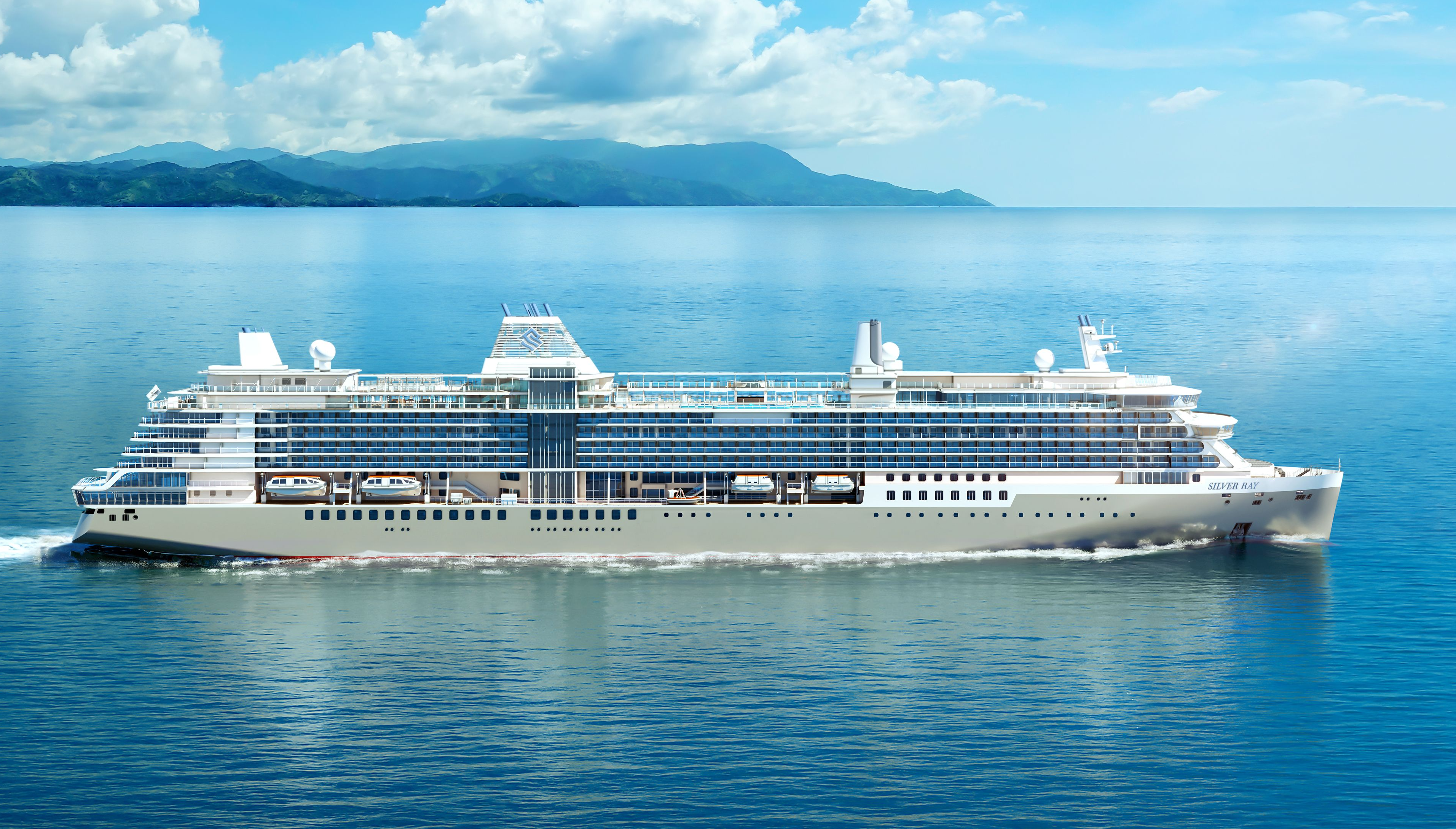
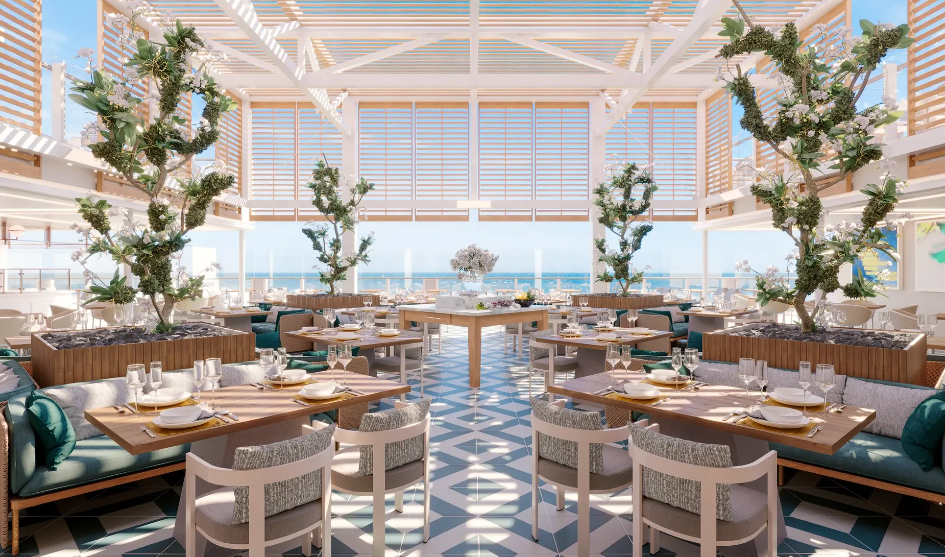
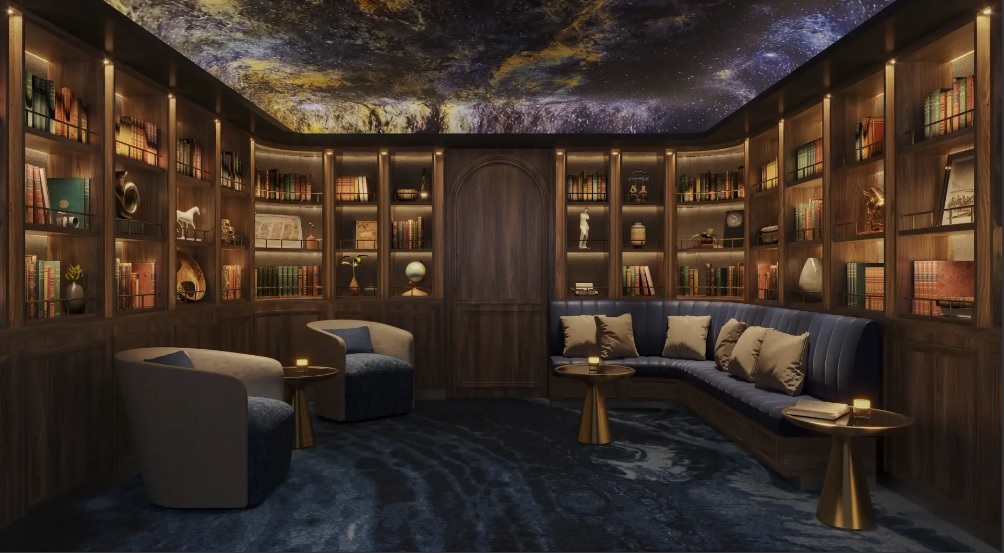
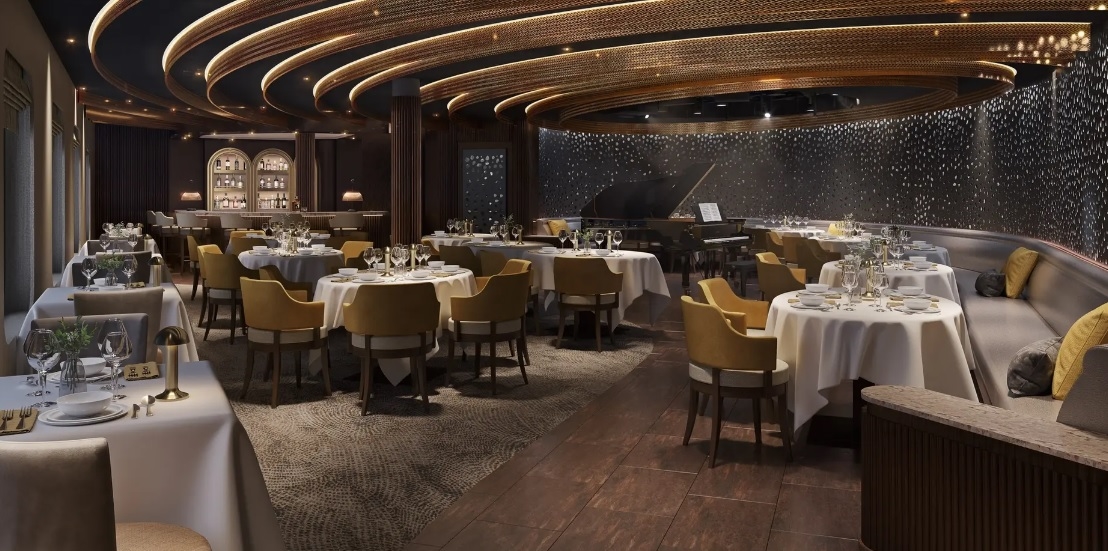
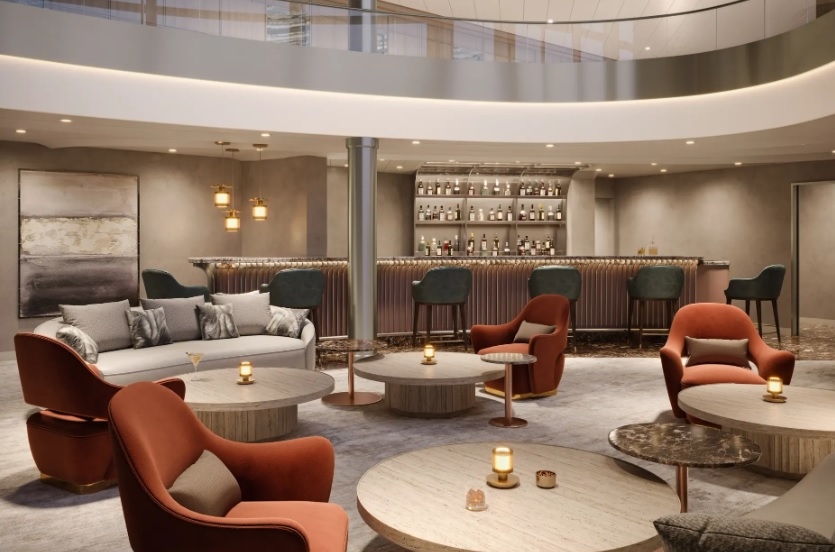
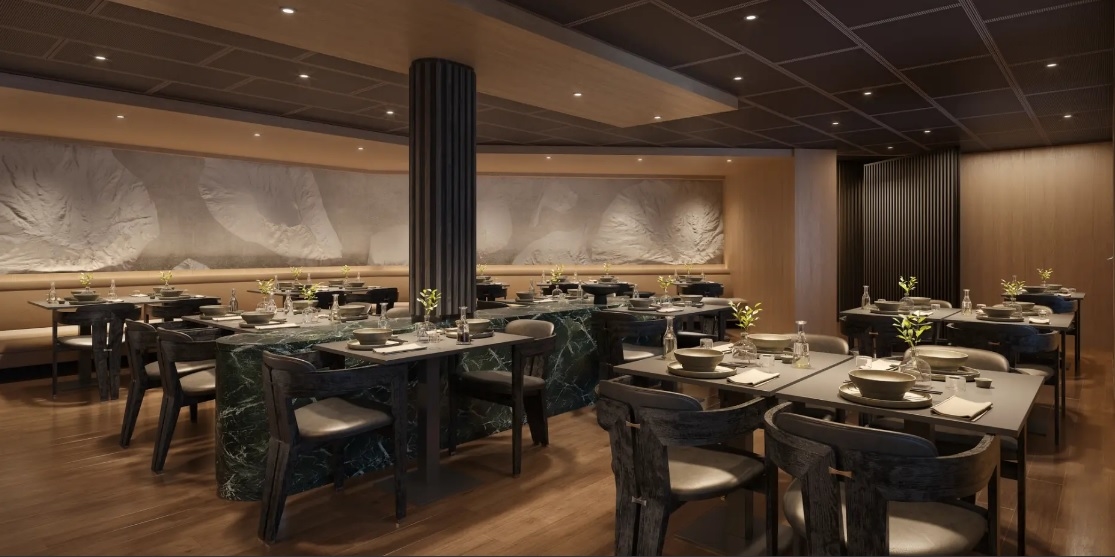
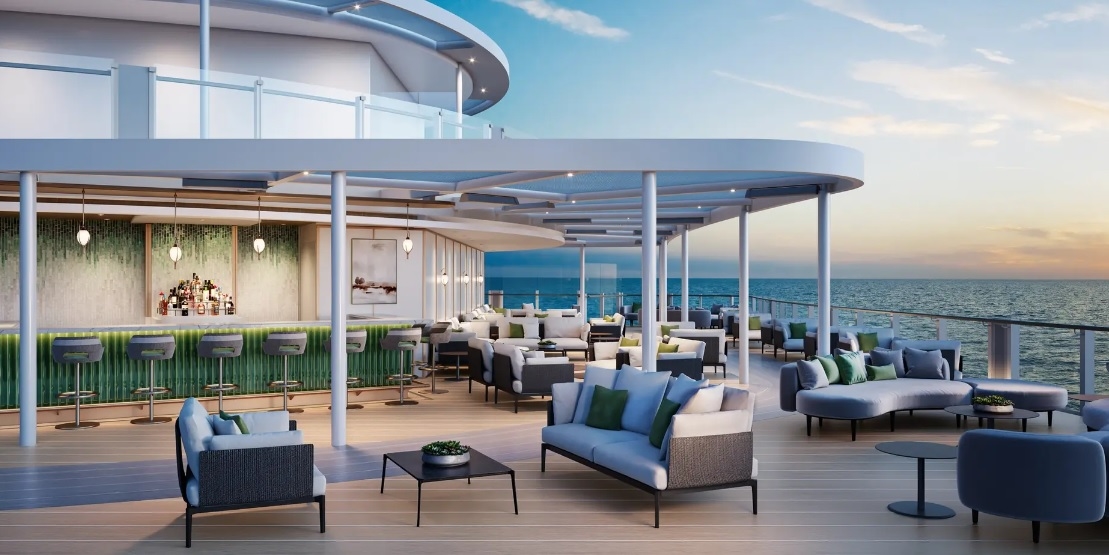
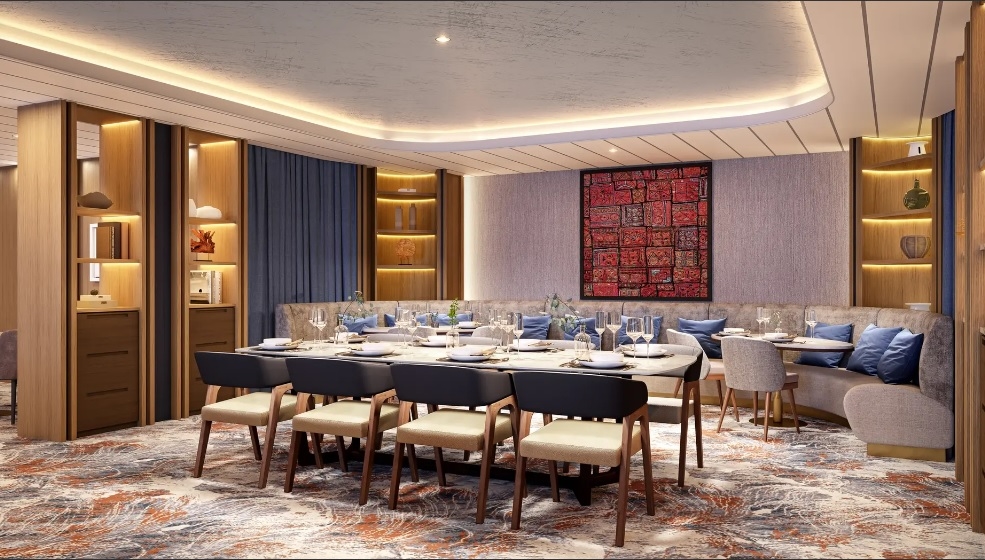
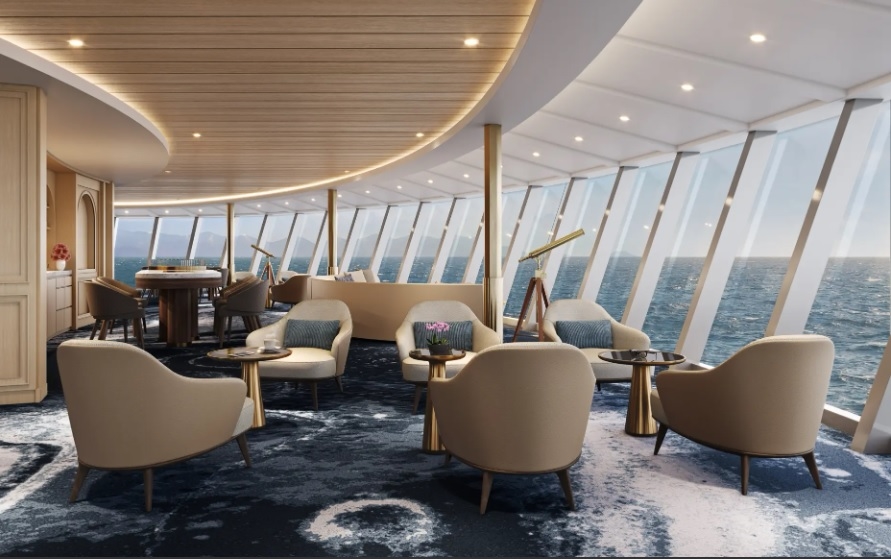
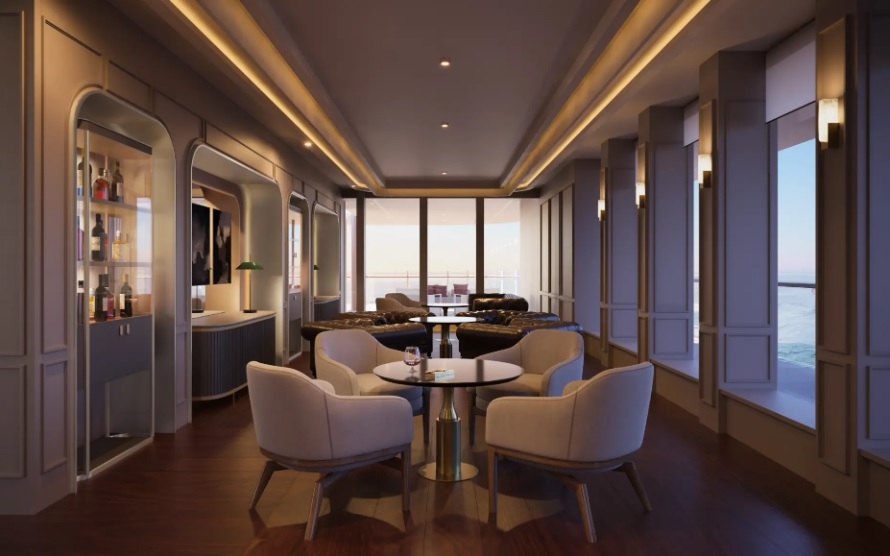
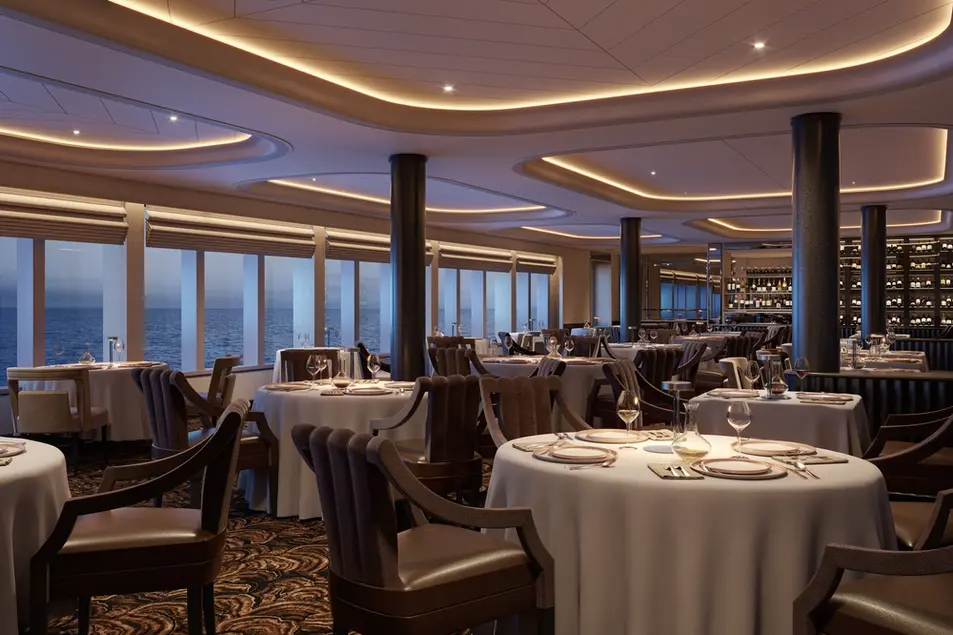
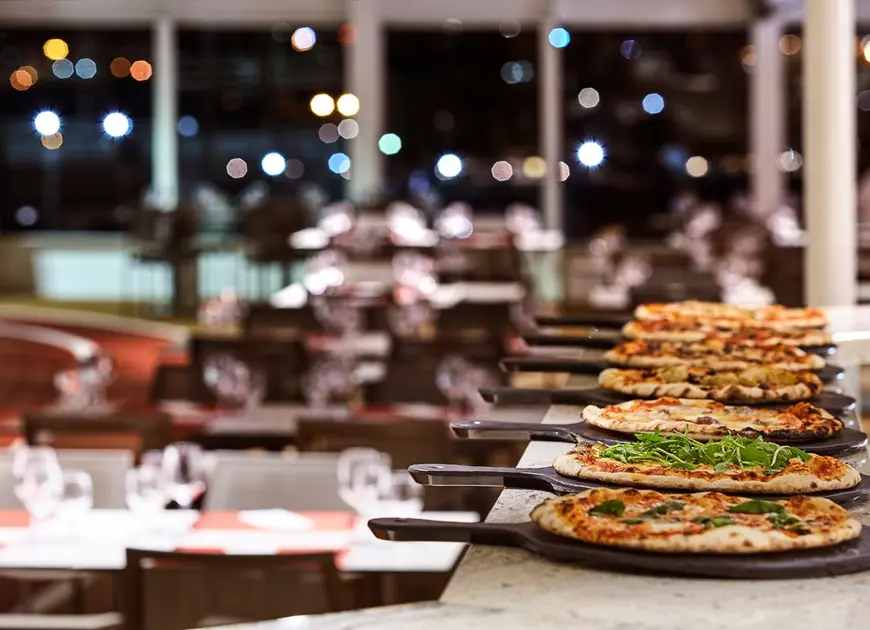
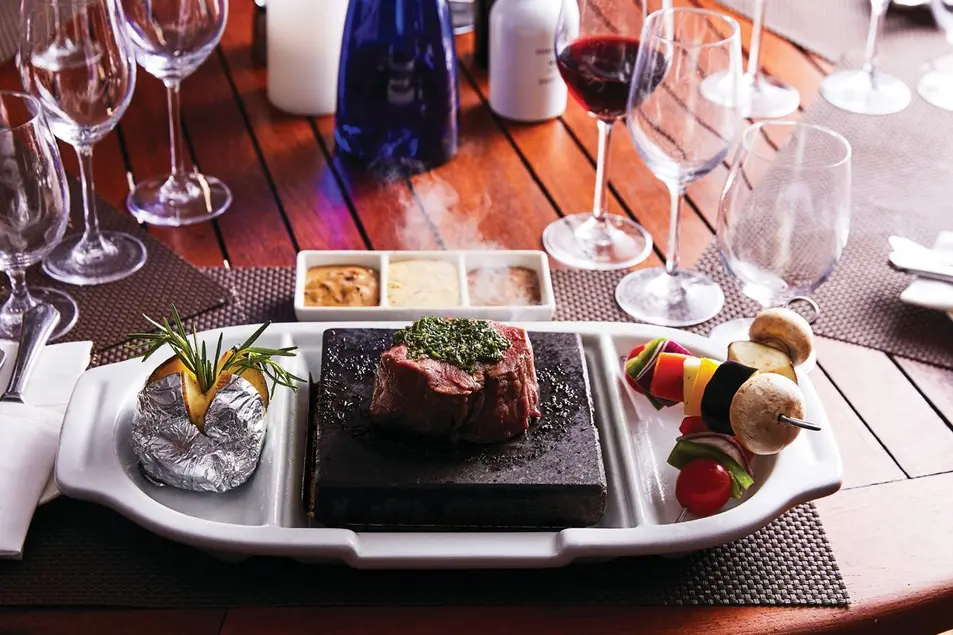
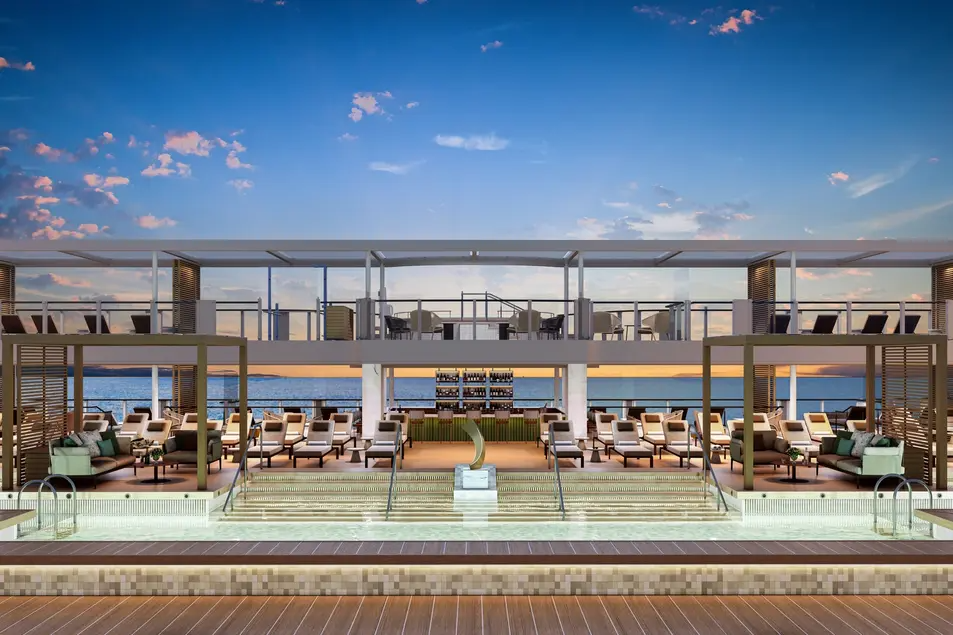
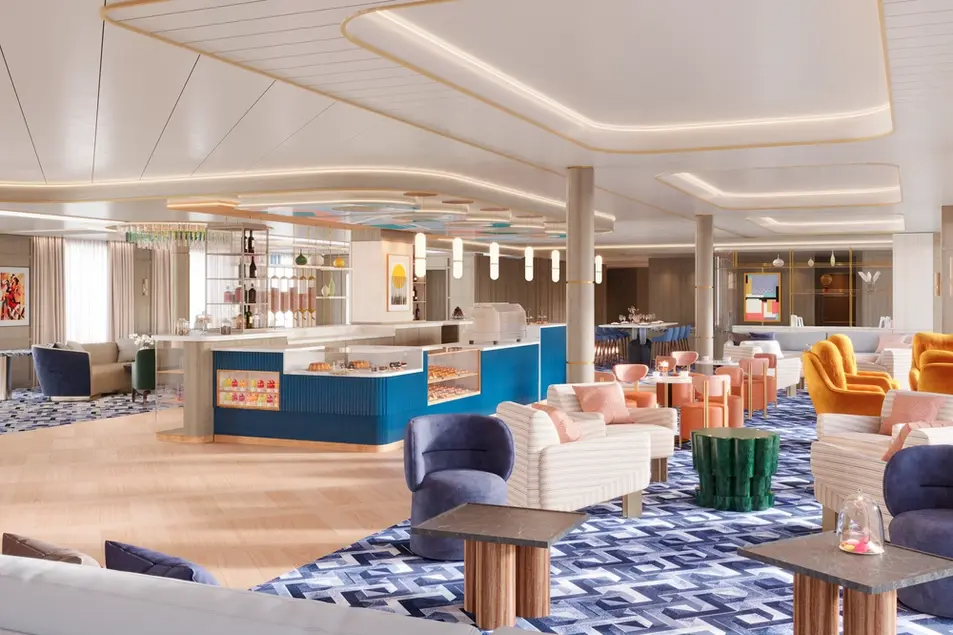
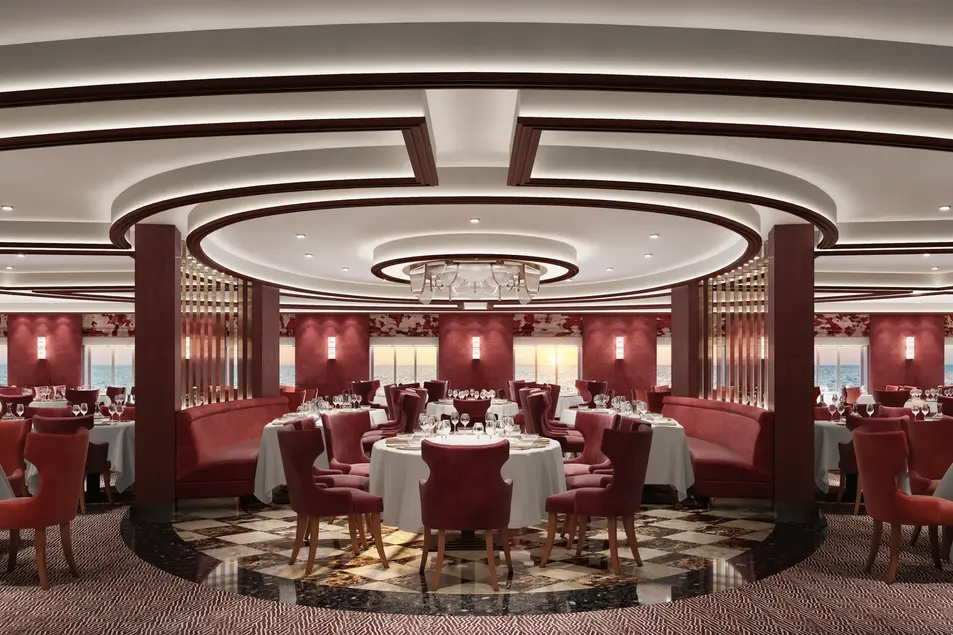
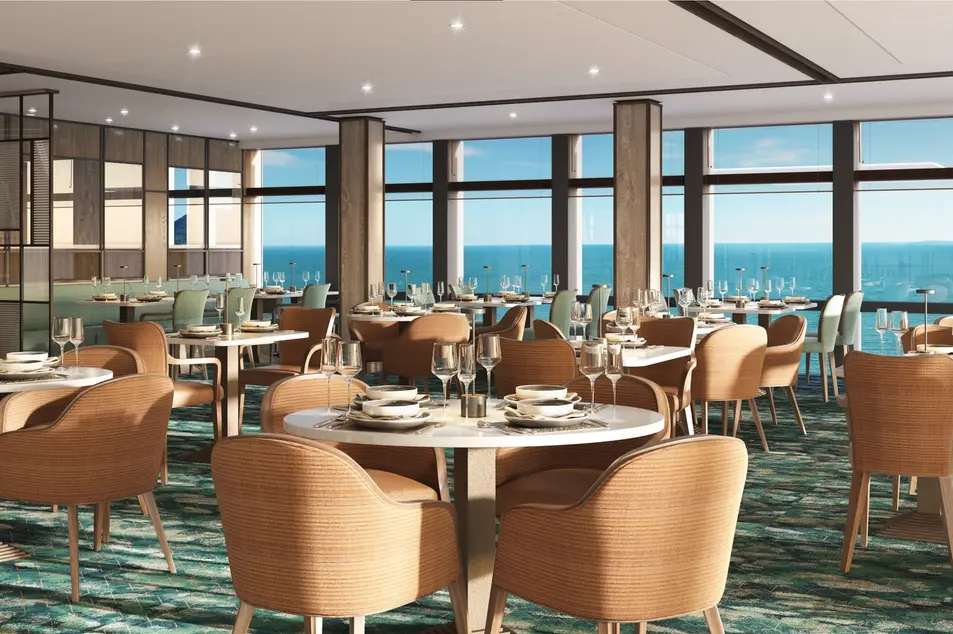
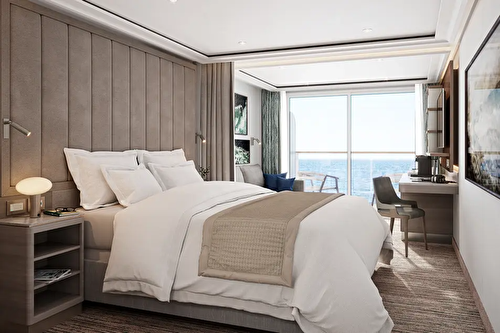
Portraying a dynamic and immediate connection with nature, where the touch of light inspires purity and movement, Silversea’s second Nova Class ship will be named Silver Ray. The pioneering luxury vessel inherits the revolutionary aspects of sister ship Silver Nova – notably the innovative asymmetrical design offering uninterrupted views from every vantage point through an extraordinary use of glass in both public spaces and in suite. At 54,700 gross tons and hosting just 728 guests, she will be among the most spacious ships ever built with a space to guest ratio of 75 GRT-per-passenger. Silver Ray… progressive and gazing at the future.
Fitness Center
Jogging Track
Pool
Wellness Centre
Casino
Connoisseur’s Corner
Observation Lounge
Panorama Lounge
Silver Note
Arts Cafe
Atlantide
Dolce
La Dame
La Terrazza
Spaccanapoli
The Grill
Venetian
Beauty Salon
Day Spa & Fitness Centre
Jacuzzi
Panoramic Lounge
Pool Deck
Spa
Swimming Pool
Whirlpool
Boutique
Description
Portraying a dynamic and immediate connection with nature, where the touch of light inspires purity and movement, Silversea’s second Nova Class ship will be named Silver Ray. The pioneering luxury vessel inherits the revolutionary aspects of sister ship Silver Nova – notably the innovative asymmetrical design offering uninterrupted views from every vantage point through an extraordinary use of glass in both public spaces and in suite. At 54,700 gross tons and hosting just 728 guests, she will be among the most spacious ships ever built with a space to guest ratio of 75 GRT-per-passenger. Silver Ray… progressive and gazing at the future.
Fitness
Fitness Center
Jogging Track
Pool
Wellness Centre
Entertainment
Casino
Connoisseur’s Corner
Observation Lounge
Panorama Lounge
Silver Note
Food and Drink
Arts Cafe
Atlantide
Dolce
La Dame
La Terrazza
Spaccanapoli
The Grill
Venetian
Relaxation
Beauty Salon
Day Spa & Fitness Centre
Jacuzzi
Panoramic Lounge
Pool Deck
Spa
Swimming Pool
Whirlpool
Other
Boutique
STATEROOMS