
Hong Kong to Singapore
- 5 Dec ‘27
- 30 nights
- Departing from Hong Kong
- Silver Muse

-
Inside price fromCall for price
-
Outside price fromCall for price
-
Balcony price fromCall for price
-
Suite price fromCall for price
YOUR ITINERARY
Hong Kong, China - Kaoshiung - Manila - Manila - Coron, Philippines - Puerto Princesa, Pulawan, Philippines - Sandakan - Kota Kinabalu, Malaysia - Singapore - Phuket, Thailand - Langkawi - Georgetown (Penang) - Ho Chi Minh City, Vietnam - Ho Chi Minh City, Vietnam - Ho Chi Minh City, Vietnam - Nha Trang, Vietnam - Singapore - Singapore - Port Klang - Malacca - Singapore
A spectacular, serrated skyline of soaring towers a...
A spectacular, serrated skyline of soaring towers and neon lights, Hong Kong is a vibrant, immersive metropolis and cultural hub. Dramatic harbour-front light shows transform the waterfront’s gleaming buildings into a colourful canvas – best seen from the Star Ferry, when the Symphony of Lights blares into life each evening. A city where future and tradition collides – perhaps best illustrated by the skyscrapers that feature gaping holes, designed to allow spirit dragons to soar from the hills to the waterfront unimpeded. View less
Wander flowing shopping streets, wade through sprawling markets and soak up the neon glory of this one-of-a-kind city – which continues to reach for the sky. Hong Kong’s dense jumble of activity is one of its main appeals, but once you’ve felt the thrill of rising to towering observation decks, to see the soaring city from above, it’s surprisingly easy to find peace among Hong Kong’s intense urban wonders. Victoria Peak is the highest point and it offers staggering views down over the city and harbour. The Peak Tram funicular can ferry you to the top, to the vantage point which was historically adored by the rich for the cooler air found here, away from the busy bustle of the city streets. Many elaborate temples add a tranquil element to Hong Kong’s whirr, and Tin Hau temple has a surprisingly urban location, considering its dedication to the Goddess of the Sea. It did once occupy the shorefront, but the city’s growth saw land reclaimed from the sea around it, leaving the temple marooned inland. Having been leased to the British for 99 years, milky tea is a revered tradition here – enjoy your cup with a serving of local dim sum.While it’s easy to think all the bright lights are the sum of today’s Hong Kong, you need only walk or board a tram for the short jaunt west into Western to discover a side of Hong Kong that is more traditionally Chinese but no less high-energy. You’ll discover the real Hong Kong to the east of Central, too, in Wan Chai, Causeway Bay, and beyond. Amid the residential towers are restaurants, shopping malls, bars, convention centers, a nice smattering of museums, and—depending on fate and the horse you wager on—one of Hong Kong’s luckiest or unluckiest spots, the Happy Valley Racecourse. Kowloon sprawls across a generous swath of the Chinese mainland across Victoria Harbour from Central. Tsim Sha Tsui, at the tip of Kowloon peninsula, is packed with glitzy shops, first-rate museums, and eye-popping views of the skyline across the water. Just to the north are the teeming market streets of Mong Kok and in the dense residential neighborhoods beyond, two of Hong Kong’s most enchanting spiritual sights, Wong Tai Sin Temple and Chi Lin Nunnery. As you navigate this huge metropolis (easy to do on the excellent transportation network), keep in mind that streets are usually numbered odd on one side, even on the other. There’s no baseline for street numbers and no block-based numbering system, but street signs indicate building numbers for any given block.
Adorned with huge public artworks and thrumming ni...
Adorned with huge public artworks and thrumming night markets, Kaohsiung is the perfect introduction to energetic Taiwan. The busy harbour of the country’s third-biggest city fuelled rapid growth here, and while it’s vast in scale, Kaohsiung has wide and airy boulevards – interspersed with parks where fountains fire water high into the sky. Filled with cultural splendour – you can visit soaring temples lit by softly glowing lanterns, and taste exotic street foods as you fall for this city, which is dissected by the Love River. View less
The vividly coloured Dragon and Tiger Pagodas soar into the sky above the blooming flowers of Lotus Lake, promising visitors good luck – on the proviso that they enter through the dragon’s mouth and leave via the tiger. The good fortune kicks in instantly, as you emerge to see the zigzagging path that leads to the Pei Chi Pavilion. Rows of long fishing rods lean out over the walls of Cijin Island, while the fruits of the ocean are served up amid a sensory overload of neon lights, and swells of people, in Liuhe night market. Try sea snails and lobster, before cooling off from Taiwan’s heat with some shaved ice – flavoured with a sweet banana kick. Central Park is a green and spacious escape in the heart of Kaohsiung, while primates scamper through the airy forested mountain trails of Shou-Shan Mountain behind the city. Elsewhere, you can take the short hop out of the city to Fo Guang Shan Monastery, where a troupe of eight pagodas will lead you on the walk up to the humungous buddha which glints on top of the striking temple.
The city sprawls eastward from Manila Bay. Its streets rang...
The city sprawls eastward from Manila Bay. Its streets range from multi-lane boulevards to maze-like alleys. In this metropolis of 12 million, the contrast between spacious well-maintained elite communities like Forbes Park and overcrowded slum areas such as Tondo is immense. Occupied over the decades by the Spanish, Americans, British and Japanese, East now meets West, giving the city its unique character. The Walled City, a medieval fortified town, was the heart and soul of the country for more than 300 years. This city fortress, surrounded by moats and turreted walls 30 feet thick, was known as Intramuros. Only members of the Castilian upper class, friars, soldiers and government administrators were privileged to live inside the walls; natives had to live in the outlying boroughs.
The city sprawls eastward from Manila Bay. Its streets range...
The city sprawls eastward from Manila Bay. Its streets range from multi-lane boulevards to maze-like alleys. In this metropolis of 12 million, the contrast between spacious well-maintained elite communities like Forbes Park and overcrowded slum areas such as Tondo is immense. Occupied over the decades by the Spanish, Americans, British and Japanese, East now meets West, giving the city its unique character. The Walled City, a medieval fortified town, was the heart and soul of the country for more than 300 years. This city fortress, surrounded by moats and turreted walls 30 feet thick, was known as Intramuros. Only members of the Castilian upper class, friars, soldiers and government administrators were privileged to live inside the walls; natives had to live in the outlying boroughs.
“Dramatic rock protrusions rear from turquoise sea &...
“Dramatic rock protrusions rear from turquoise sea – while endless sweeps of golden sand, and underwater worlds of colourful life – make Coron a place that you can’t help but dive into. A snorkeler and scuba diver’s paradise, ghostly shipwrecks lie below the glorious waters here, swirling with life and stories. With complex coral reefs, towering cliffs, and turquoise waters blotched with emerald greens, Coron is a vibrant and revitalising escape of spectacular islands and pristine beaches.
With limestone cliffs jutting into the air, Kayangan Lake is already beautiful enough from the surface – but it’s a whole other world in the depths of the freshwater lake. Dive in to see the underlying world in all of its colourful glory, or sail across the surface and observe the beauty through the glass-like water. Elsewhere, Lake Barracuda is a unique diving experience, where you can swim among a swirl of intertwining fresh and saltwater and feel the sudden shifts in temperature as you move. Experienced divers should head out to the dozens of ghostly Japanese wrecks that have lain still on these sea-beds ever since they were sunken by a US air assault, as the Pacific War raged. All of that swimming, diving and beachside relaxation is hard work – so visit Maquinit Hot Springs to dissolve any stresses in the thermally heated waters, which will poach any sore muscles back to health. A Buko Shake’s blend of coconut, milk and ice is always refreshing – especially when sipped on your choice of Coron’s isolated beach paradises.”
Home to a New Wonder of the World – the amazing underg...
Home to a New Wonder of the World – the amazing underground river that flows close by – Palawan’s capital promises a relentless assault of natural glory. Founded by the Spanish in 1872, Puerto Princesa is one of the Philippines’s largest centres – but the Green City is also one of the country’s most spacious and lush. Whether it’s the innovative environmental credentials, or the dense vegetation clinging to scenic limestone cliffs nearby, Puerto Princesa welcomes you to a rich, green, and astonishingly beautiful corner of the world. View less
The underground river of glowing emerald water slices into the limestone rock and runs through inky darkness for five miles, amid dark stalactites and elaborate natural rock sculptures. A subterranean wonder, sail into the cave in a canoe to witness this UNESCO World Heritage Site firsthand and explore a gaping interior, where bats flutter overhead. The scenery is just as impressive above the earth, with tropical beaches and rainforest-cloaked waterfalls nearby. Travel between attractive bays and islands, alive with diverse flora, as well as monkeys and monitor lizards wandering freely. Island hop the stunning sandy isles that pepper the turquoise water of Honda Bay, to investigate characterful idylls that beg to be snorkelled, surrounded by seawater stocked with starfish. Puerto Princesa itself is dotted with cultural and historical sites – including the harrowing World War II history of Plaza Cuartel. Where a massacre of American soldiers took place. Elsewhere, you can visit the thought-provoking Iwahig Prison and Penal Colony – which aims to reform prisoners through farming and agricultural practices. Head for the Baywalk to try some local foods, and to soak up the palm-lined waterfront atmosphere.
The town of Sandakan, once claimed to have the greatest concentr...
The town of Sandakan, once claimed to have the greatest concentration of millionaires anywhere in the world during its heyday as a timber centre, began on its present site in 1879, after an earlier settlement accidentally burned down. The region had been known for centuries for its pearls, camphor, bee’s wax, sea cucumbers and edible birds’ nests. This attracted traders from the nearby Sulu sultanate and from as far away as China.
Kota Kinabalu, the state capital of Sabah, is a relatively new...
Kota Kinabalu, the state capital of Sabah, is a relatively new town; the original one was destroyed during World War II. Strung out along the coast with jungle-clad hills as a backdrop, Kota Kinabalu, or KK for short, is home to a population of about 300,000. It was known as Jesselton before the war.
The state of Sabah occupies the northern part of Borneo and is about the size of Ireland. After World War II, the British declared Sabah a Crown Colony. In 1963, Sabah gained her independence and joined the Federation of Malaysia. The old seafarer’s name for Sabah was “Land Below the Wind,” referring to the state’s location just below the typhoon belt.
Kota Kinabalu’s deep-water harbor gave the town strategic significance, evoking a Japanese invasion in 1942 and heavy bombing by the Allies. Following the war, the capital was moved from Sandakan to Jesselton and renamed Kota Kinabalu after the mountain.
The pride of Sabah is Mount Kinabalu. With 13,431 feet, this is the highest mountain in Malaysia and a spectacular sight. For centuries, the Dusuns, Sabah’s largest ethnic group, regarded the mountain as the final resting place of their departed. High priests still perform annual rites to appease the spirits.
Advanced, airy and elevated, Singapore is a spectacular, f...
Advanced, airy and elevated, Singapore is a spectacular, futuristic vision of utopian city life. A healthy population of almost six million call it home, but this is a city designed with space to breathe, and gorgeous outdoor parks, massive indoor greenhouses and beautiful recreational spaces spread between the City of Gardens’ skyscrapers and soaring structures. Once a quiet fishing village, now a glistening island city-state and an international beacon of science, education and technology. View less
Singapore is almost intimidatingly clean – and the hyper-efficient public transport system whips residents and visitors across the city’s neighbourhoods in a heartbeat. Glorious fountains and audacious skyscrapers loom up – nodding to traditional feng shui beliefs – and putting on dazzling illuminated displays after dark. The lush green botanical gardens are a spectacular UNESCO World Heritage Site, covering 52 hectares and decorated with impressive colourful orchids. Or breathe in more of the freshest air by heading up to wander the canopy strung bridges of MacRitchie Reservoir Park. Head for the iconic Marina Bay – a landmark of the city crowned by three interconnected towers, which watch out over island sprinkled waters. Jaunt between Little India and the atmospheric Chinatown in minutes, where beautiful temples – like the Chinese Thian Hock Keng Temple and Hindu Sri Mariamman Temple add rich cultural intrigue. Singapore’s cuisine is a mouthwatering fusion of its Indian, Chinese, Indonesian, and Malay influences, taking and enhancing the best of each. Enjoy dishes in towering restaurants, or toast the glowing skyline with the city’s eponymous gin-soaked cocktail – a Singapore Sling.
Thailand’s only island province is connected to...
Thailand’s only island province is connected to the mainland by the Thep Krasettree Causeway. Known as the “Pearl of Thailand,” Phuket offers pristine beaches, lush vegetation, traditional villages and seascapes of huge limestone pillars that rise above the turquoise waters of Phang Nga Bay. With a land area of 215 square miles, Phuket Island is Thailand’s largest island and about the same size as Singapore. Arab and Indian navigators have called here since the end of the 9th century, while the first Europeans arrived in the 16th century.
Langkawi is the main island in a group of 104 islands that comp...
Langkawi is the main island in a group of 104 islands that comprise the Langkawi archipelago, which is located where the Straits of Melaka meet the waters of the Andaman Sea. Once a sanctuary for pirates, Langkawi Island was a well-kept secret until it was made a duty-free port in 1987. Since then, the construction of modern amenities has created an idyllic Malaysian getaway. Its natural beauty and intriguing past make Langkawi a treasure trove for visitors to discover. The name is coined from the Malay words Lang, a brown eagle, and Kawi, a local manganese stone.
An incredible, disorientating collage of cultures and heritag...
An incredible, disorientating collage of cultures and heritage, Georgetown is a fascinating layered city of countless influences. Taking its name from King George III, Malaysia’s cultural capital, Georgetown, has long been a trading hub and outward-looking city. Grand colonial architecture mixes with Chinese, Indian and British influences, forming an artsy, exotic melting pot of food, colour and extraordinary heritage. Quirky coffee shops hum, while the fragrances of incense and sounds of gong strikes reverberate from temples. View less
Rickshaws trundle through its streets, as modern street art adds interest to every spare wall. Shophouses, passed down through generations, add more colour to the rich mosaic of life on show here. Bright pagodas, layered with deities rise up, while multi-coloured paintwork shimmers in the sunshine of this UNESCO World Heritage Site city’s historic streets. The fragrant spices of Little India offer a slice of Delhi – although if you’re feeling hungry, Chulia Street’s feast of street food is also a good starting point – try wonton noodles with soft pork. The Blue Mansion – another World Heritage Site – is a sky-coloured insight into the city’s rich history and a star of the silver screen. The other World Heritage Site, the Clan Jetties, form a fascinating wander, as you climb across stilted boardwalk piers of over-water wooden villages. These fascinating floating villages were created by Chinese immigrant communities in the 19th century. Escape the city into the green rainforest of Penang Hill, or to Penang National Park – where trails slice through dense jungle and open up to pearly white beaches. Monkeys roam the trees, and giant lizards crawl, in this small but stunning national park.
A chaotic, enchanting swirl of sensory stimulation – ...
A chaotic, enchanting swirl of sensory stimulation – Ho Chi Minh City is a place of incense-infused temples, colonial architecture, warm people and delicious street food. Formerly known as Saigon, the city was affectionately-labelled the Pearl of the Orient by the French. Afternoons here drift by lazily on the gentle chaos of the River Saigon, as taxi boats and motor canoes flit up and down, and parks fill out with locals playing jianzi, kicking shuttlecocks back and forth. View less
The French colonial imprint is evidenced in the Saigon Notre Dame Basilica, which stands out with its grand double bell towers and red brick hue. Just across the road, you’ll also find the celebrated Ho Chi Minh Post office, which was erroneously credited as a Gustav Eifel creation. In reality, the architect was another Frenchman, Alfred Foulhoux. The French also caffeinated this city with coffee culture, and a refreshing iced coffee, from the innumerable coffee shops, will perk you up instantly. Taste the street food to get under Ho Chi Minh City’s skin, with humble restaurants serving up rich flavours – from the Vietnamese take on the baguette, a banh mi sandwich – to the local staple of pho, a delicious noodle soup. The Tortoise pagoda is a tranquil escape and a serene place of worship for Vietnamese who practice Buddhism and Taoism, while the Vietnamese medical museum has a fascinating collection of remedies and potions – some dating back to Stone Age. Journey out to learn more of the Vietnam War at the Remnants Museum and Cu Chi tunnels. Offering a vivid glimpse of conditions, and the ingenuity and resilience of the soldiers, you’ll learn of the guerrilla war campaign raged from within this claustrophobic, 70-mile network of war tunnels.
A chaotic, enchanting swirl of sensory stimulation &#...
A chaotic, enchanting swirl of sensory stimulation – Ho Chi Minh City is a place of incense-infused temples, colonial architecture, warm people and delicious street food. Formerly known as Saigon, the city was affectionately-labelled the Pearl of the Orient by the French. Afternoons here drift by lazily on the gentle chaos of the River Saigon, as taxi boats and motor canoes flit up and down, and parks fill out with locals playing jianzi, kicking shuttlecocks back and forth. View less
The French colonial imprint is evidenced in the Saigon Notre Dame Basilica, which stands out with its grand double bell towers and red brick hue. Just across the road, you’ll also find the celebrated Ho Chi Minh Post office, which was erroneously credited as a Gustav Eifel creation. In reality, the architect was another Frenchman, Alfred Foulhoux. The French also caffeinated this city with coffee culture, and a refreshing iced coffee, from the innumerable coffee shops, will perk you up instantly. Taste the street food to get under Ho Chi Minh City’s skin, with humble restaurants serving up rich flavours – from the Vietnamese take on the baguette, a banh mi sandwich – to the local staple of pho, a delicious noodle soup. The Tortoise pagoda is a tranquil escape and a serene place of worship for Vietnamese who practice Buddhism and Taoism, while the Vietnamese medical museum has a fascinating collection of remedies and potions – some dating back to Stone Age. Journey out to learn more of the Vietnam War at the Remnants Museum and Cu Chi tunnels. Offering a vivid glimpse of conditions, and the ingenuity and resilience of the soldiers, you’ll learn of the guerrilla war campaign raged from within this claustrophobic, 70-mile network of war tunnels.
A chaotic, enchanting swirl of sensory stimulation &#...
A chaotic, enchanting swirl of sensory stimulation – Ho Chi Minh City is a place of incense-infused temples, colonial architecture, warm people and delicious street food. Formerly known as Saigon, the city was affectionately-labelled the Pearl of the Orient by the French. Afternoons here drift by lazily on the gentle chaos of the River Saigon, as taxi boats and motor canoes flit up and down, and parks fill out with locals playing jianzi, kicking shuttlecocks back and forth. View less
The French colonial imprint is evidenced in the Saigon Notre Dame Basilica, which stands out with its grand double bell towers and red brick hue. Just across the road, you’ll also find the celebrated Ho Chi Minh Post office, which was erroneously credited as a Gustav Eifel creation. In reality, the architect was another Frenchman, Alfred Foulhoux. The French also caffeinated this city with coffee culture, and a refreshing iced coffee, from the innumerable coffee shops, will perk you up instantly. Taste the street food to get under Ho Chi Minh City’s skin, with humble restaurants serving up rich flavours – from the Vietnamese take on the baguette, a banh mi sandwich – to the local staple of pho, a delicious noodle soup. The Tortoise pagoda is a tranquil escape and a serene place of worship for Vietnamese who practice Buddhism and Taoism, while the Vietnamese medical museum has a fascinating collection of remedies and potions – some dating back to Stone Age. Journey out to learn more of the Vietnam War at the Remnants Museum and Cu Chi tunnels. Offering a vivid glimpse of conditions, and the ingenuity and resilience of the soldiers, you’ll learn of the guerrilla war campaign raged from within this claustrophobic, 70-mile network of war tunnels.
The two-tiered city of Nha Trang offers both a sleepy...
The two-tiered city of Nha Trang offers both a sleepy seaside community and a bustling city center with buildings dating from the French colonial time to post-1975 Vietnam. The palm-lined seafront is dotted with cafés and food stalls and a scenic landscape is dotted with the characteristic Cham Towers.
Nha Trang and its beaches have every potential of one day being developed into a major seaside tourist destination, but for now you can still enjoy a relaxed resort town with a lively market, wide streets and uncrowded beaches.
Advanced, airy and elevated, Singapore is a spectacular, f...
Advanced, airy and elevated, Singapore is a spectacular, futuristic vision of utopian city life. A healthy population of almost six million call it home, but this is a city designed with space to breathe, and gorgeous outdoor parks, massive indoor greenhouses and beautiful recreational spaces spread between the City of Gardens’ skyscrapers and soaring structures. Once a quiet fishing village, now a glistening island city-state and an international beacon of science, education and technology. View less
Singapore is almost intimidatingly clean – and the hyper-efficient public transport system whips residents and visitors across the city’s neighbourhoods in a heartbeat. Glorious fountains and audacious skyscrapers loom up – nodding to traditional feng shui beliefs – and putting on dazzling illuminated displays after dark. The lush green botanical gardens are a spectacular UNESCO World Heritage Site, covering 52 hectares and decorated with impressive colourful orchids. Or breathe in more of the freshest air by heading up to wander the canopy strung bridges of MacRitchie Reservoir Park. Head for the iconic Marina Bay – a landmark of the city crowned by three interconnected towers, which watch out over island sprinkled waters. Jaunt between Little India and the atmospheric Chinatown in minutes, where beautiful temples – like the Chinese Thian Hock Keng Temple and Hindu Sri Mariamman Temple add rich cultural intrigue. Singapore’s cuisine is a mouthwatering fusion of its Indian, Chinese, Indonesian, and Malay influences, taking and enhancing the best of each. Enjoy dishes in towering restaurants, or toast the glowing skyline with the city’s eponymous gin-soaked cocktail – a Singapore Sling.
Advanced, airy and elevated, Singapore is a spectacular, futuri...
Advanced, airy and elevated, Singapore is a spectacular, futuristic vision of utopian city life. A healthy population of almost six million call it home, but this is a city designed with space to breathe, and gorgeous outdoor parks, massive indoor greenhouses and beautiful recreational spaces spread between the City of Gardens’ skyscrapers and soaring structures. Once a quiet fishing village, now a glistening island city-state and an international beacon of science, education and technology. View less
Singapore is almost intimidatingly clean – and the hyper-efficient public transport system whips residents and visitors across the city’s neighbourhoods in a heartbeat. Glorious fountains and audacious skyscrapers loom up – nodding to traditional feng shui beliefs – and putting on dazzling illuminated displays after dark. The lush green botanical gardens are a spectacular UNESCO World Heritage Site, covering 52 hectares and decorated with impressive colourful orchids. Or breathe in more of the freshest air by heading up to wander the canopy strung bridges of MacRitchie Reservoir Park. Head for the iconic Marina Bay – a landmark of the city crowned by three interconnected towers, which watch out over island sprinkled waters. Jaunt between Little India and the atmospheric Chinatown in minutes, where beautiful temples – like the Chinese Thian Hock Keng Temple and Hindu Sri Mariamman Temple add rich cultural intrigue. Singapore’s cuisine is a mouthwatering fusion of its Indian, Chinese, Indonesian, and Malay influences, taking and enhancing the best of each. Enjoy dishes in towering restaurants, or toast the glowing skyline with the city’s eponymous gin-soaked cocktail – a Singapore Sling.
Towered over by the world’s most famous archit...
Towered over by the world’s most famous architectural siblings – the Petronas Twin Towers – Kuala Lumpur is a staggering melting pot of influences. These twin towers stand 451 metres over the city and bathe in bright lights as night’s cloak descends. The glittering skyline mingles with colonial architecture and ornate temples, which decorate lush hillsides around the city. Haggle your way through humming markets, visit cultural treasures and historic sites, and dive headfirst into this city, where tradition collides head-on with modernity.
Malacca City (also spelled Melaka) is the capital...
Malacca City (also spelled Melaka) is the capital of the coastal state of Malacca, in southwestern Malaysia. At its center, Jonker Street, Chinatown’s main thoroughfare, is known for antique shops and its night market. Nearby, the 17th-century Chinese Cheng Hoon Teng temple has ornate decorations and multiple prayer halls. A green, 3-tiered roof tops the 18th-century, Javanese-influenced Kampung Kling Mosque. ― Google
Advanced, airy and elevated, Singapore is a spectacu...
Advanced, airy and elevated, Singapore is a spectacular, futuristic vision of utopian city life. A healthy population of almost six million call it home, but this is a city designed with space to breathe, and gorgeous outdoor parks, massive indoor greenhouses and beautiful recreational spaces spread between the City of Gardens’ skyscrapers and soaring structures. Once a quiet fishing village, now a glistening island city-state and an international beacon of science, education and technology. View less
Singapore is almost intimidatingly clean – and the hyper-efficient public transport system whips residents and visitors across the city’s neighbourhoods in a heartbeat. Glorious fountains and audacious skyscrapers loom up – nodding to traditional feng shui beliefs – and putting on dazzling illuminated displays after dark. The lush green botanical gardens are a spectacular UNESCO World Heritage Site, covering 52 hectares and decorated with impressive colourful orchids. Or breathe in more of the freshest air by heading up to wander the canopy strung bridges of MacRitchie Reservoir Park. Head for the iconic Marina Bay – a landmark of the city crowned by three interconnected towers, which watch out over island sprinkled waters. Jaunt between Little India and the atmospheric Chinatown in minutes, where beautiful temples – like the Chinese Thian Hock Keng Temple and Hindu Sri Mariamman Temple add rich cultural intrigue. Singapore’s cuisine is a mouthwatering fusion of its Indian, Chinese, Indonesian, and Malay influences, taking and enhancing the best of each. Enjoy dishes in towering restaurants, or toast the glowing skyline with the city’s eponymous gin-soaked cocktail – a Singapore Sling.
YOUR SHIP - The Silver Muse
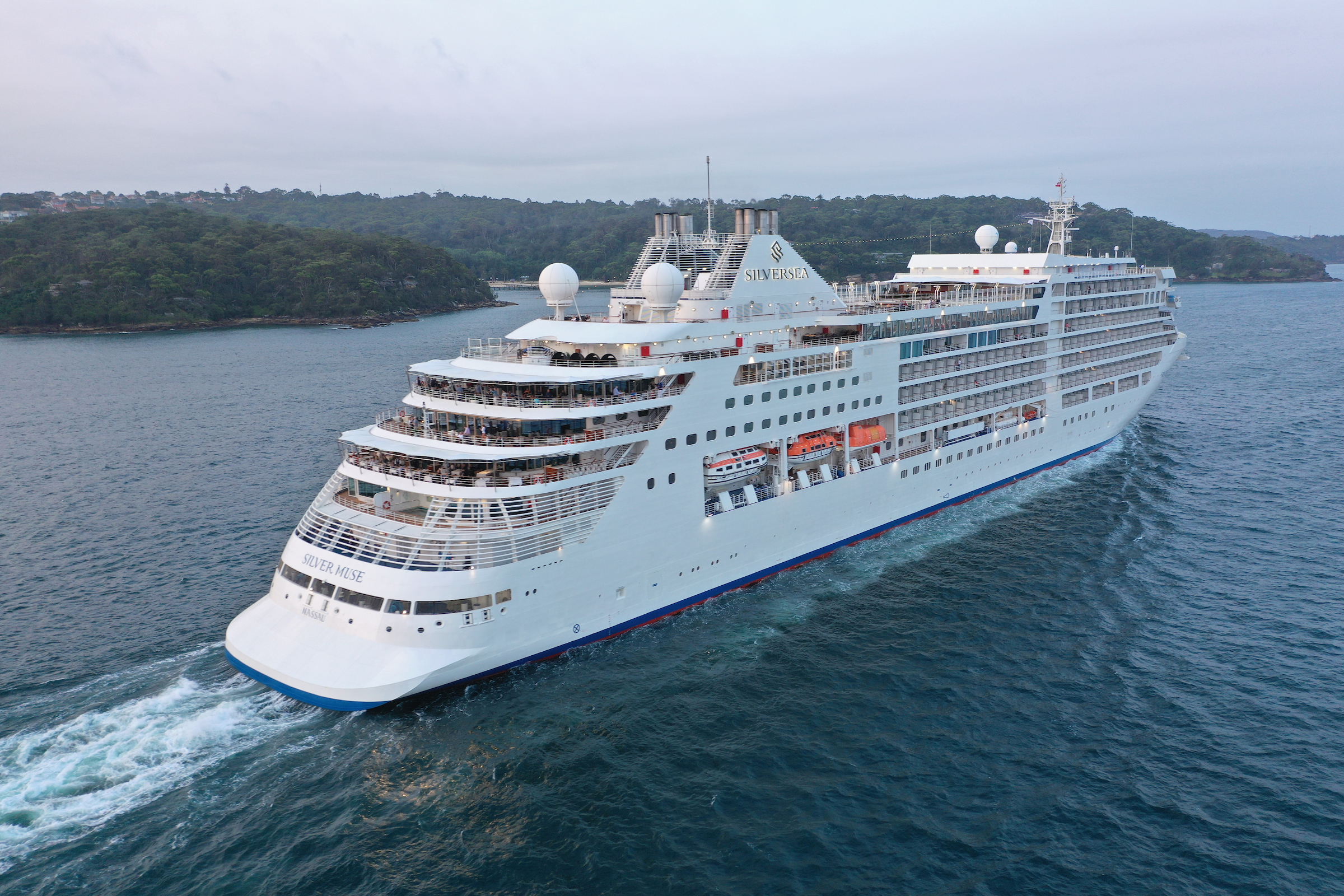
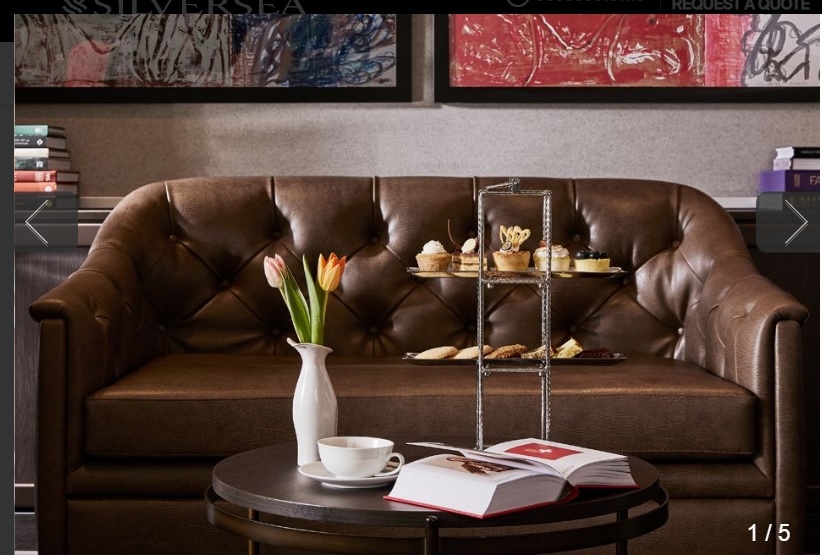
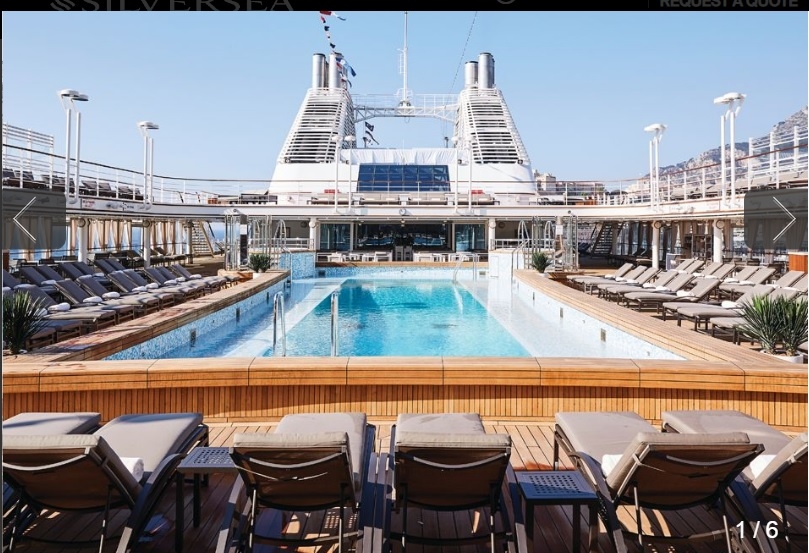
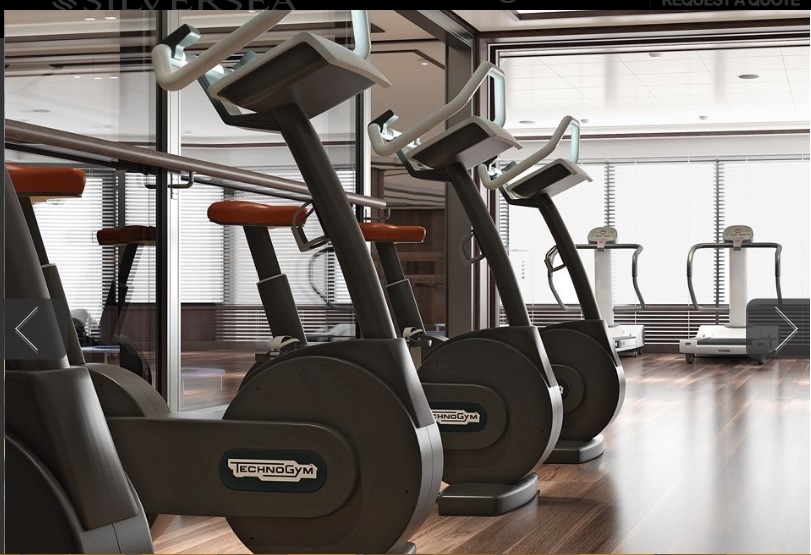
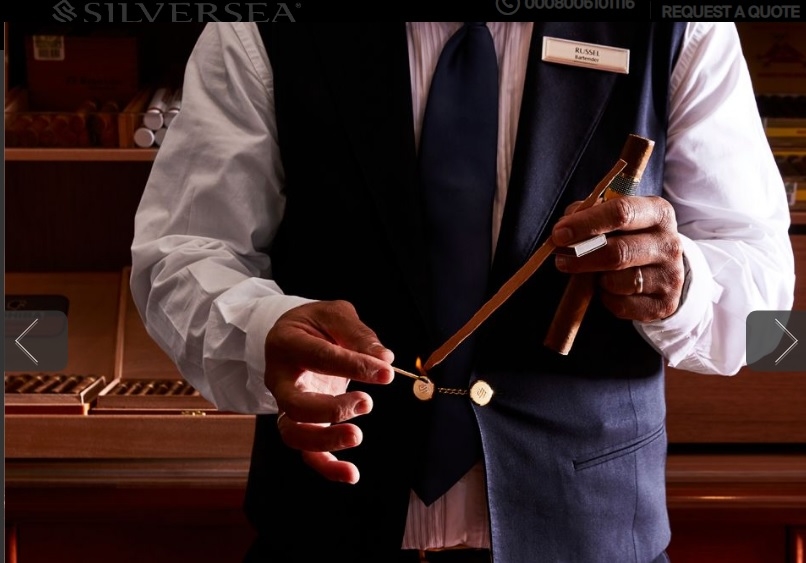
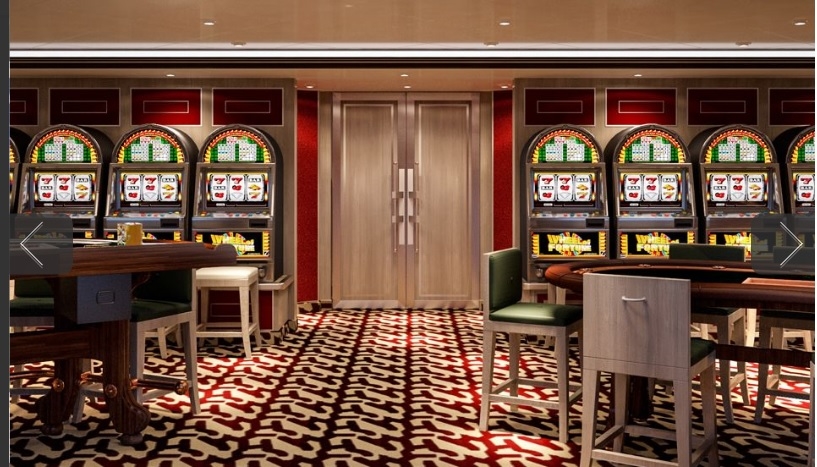
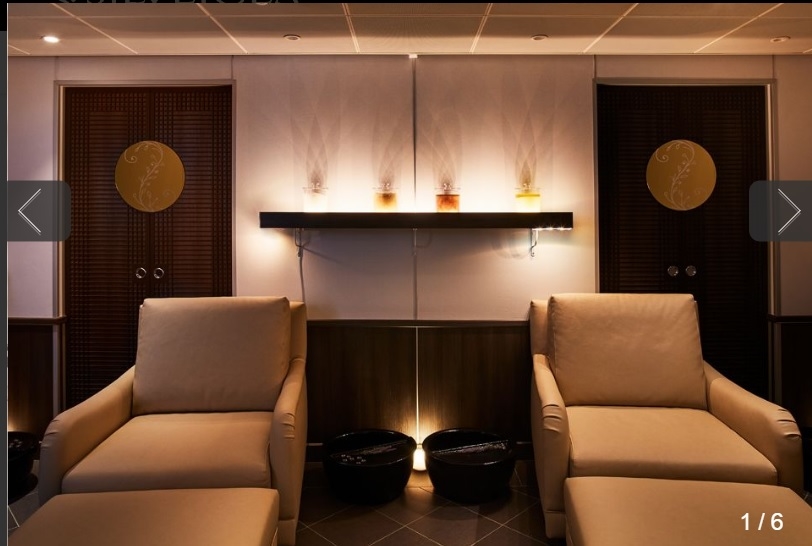
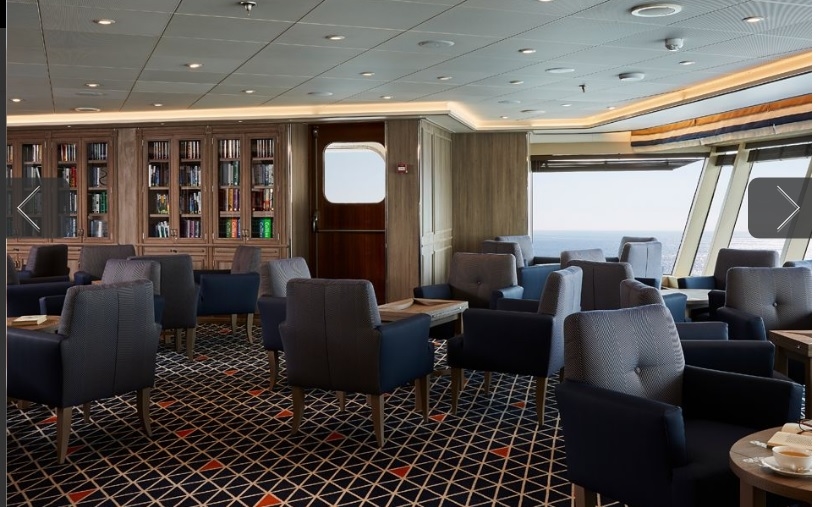
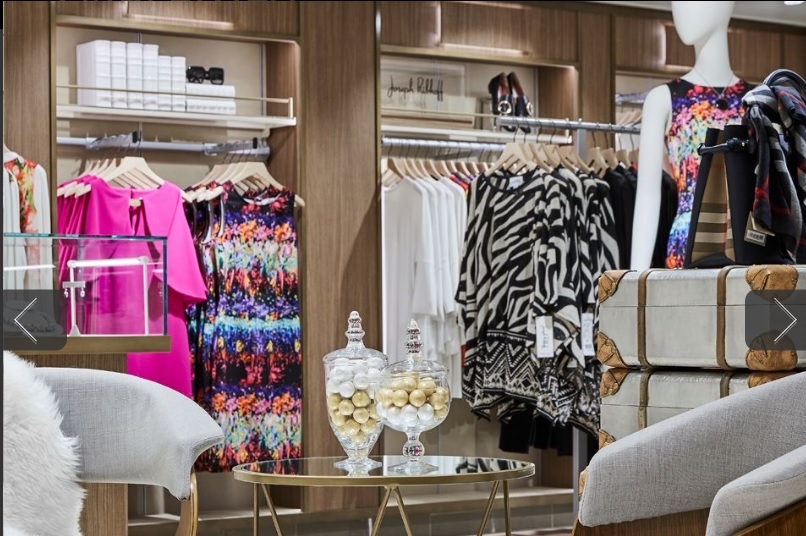
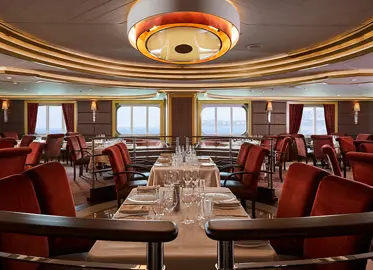
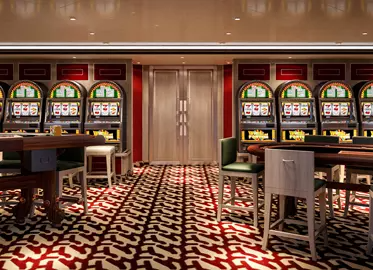
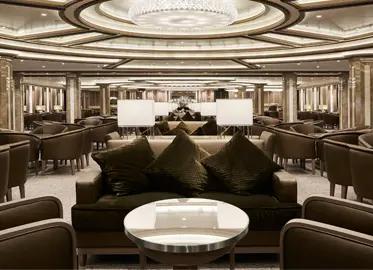
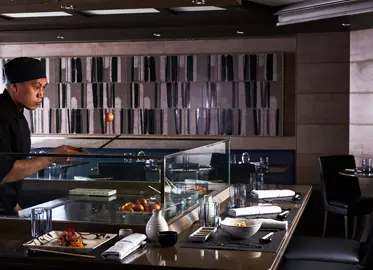
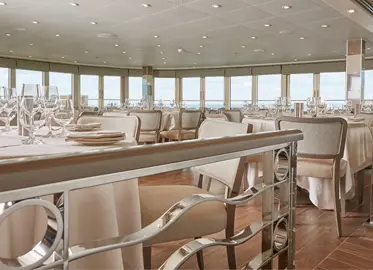
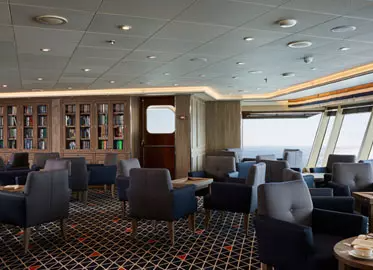
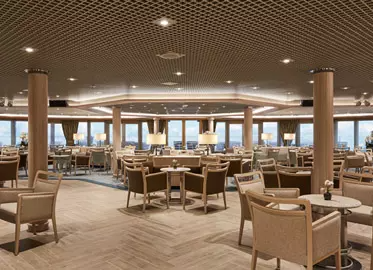
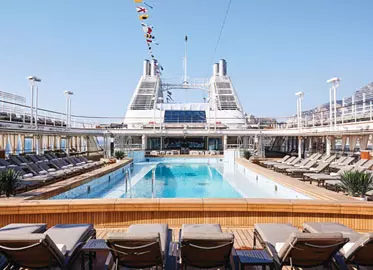
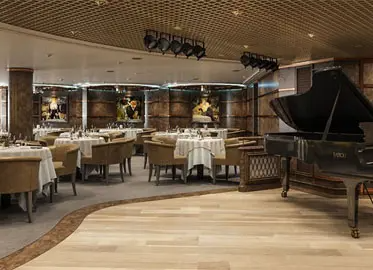
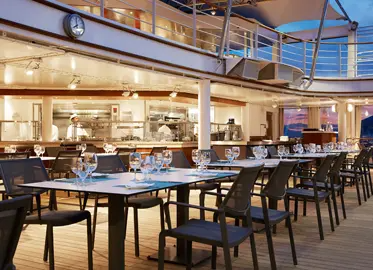
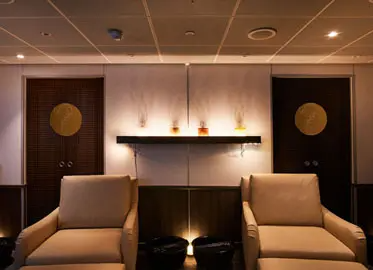
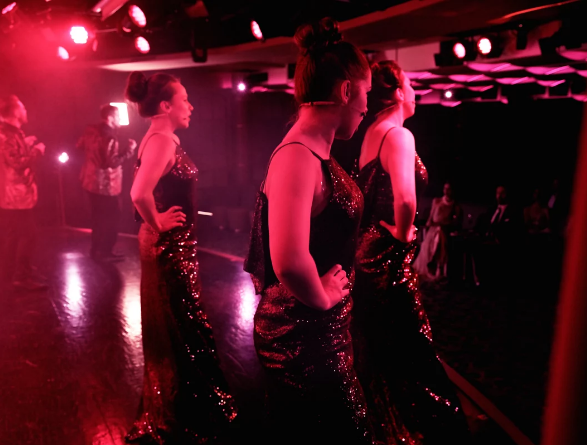
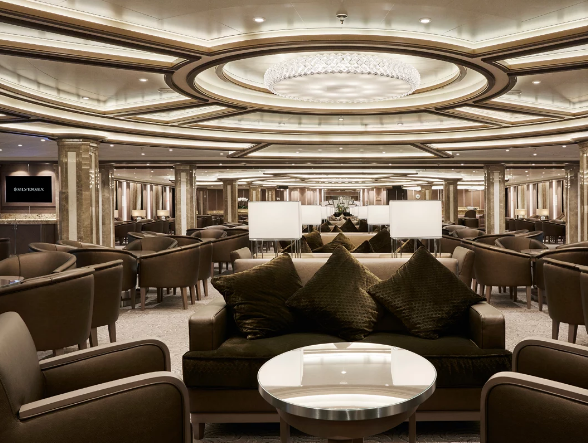
Silver Muse is without question an inspirational work of art. The best place between sea and sky, eight dining venues, spacious outdoor areas and up-to-the-minute technology makes her simply divine. Silversea Cruises is happy to present our new flagship, Silver Muse. Delivered in spring of 2017, the new ultra-luxury ship was built by Fincantieri and at 40,700 grt accommodates 596 guests. Representing an exciting evolution of Silver Spirit, Silver Muse redefines ultra-luxury ocean travel – enhancing the small-ship intimacy and spacious all-suite accommodations that are the hallmarks of the Silversea experience. The addition of Silver Muse expands Silversea’s fleet to nine ships, and once again significantly raises the bar in the ultra-luxury cruise market with a wealth of enhancements to the onboard experience, while satisfying the uncompromising requirements for comfort, service, and quality of the world’s most discerning travellers.
Boutique
Conference Room
Observation Lounge
Reception
Card Room
Childrens Play Room
Library
Beauty Salon
Day Spa & Fitness Centre
Jacuzzi
Panoramic Lounge
Pool Deck
Spa
Swimming Pool
Arts Cafe
Bar
Dolce
Grill
La Dame
La Terrazza
Spaccanapoli
The Grill
Venetian
Casino
Connoisseur Club
Connoisseur’s Corner
Observation Lounge
Panorama Lounge
Silver Note
Theatre
Fitness Center
Jogging Track
Pool
Wellness Centre
Description
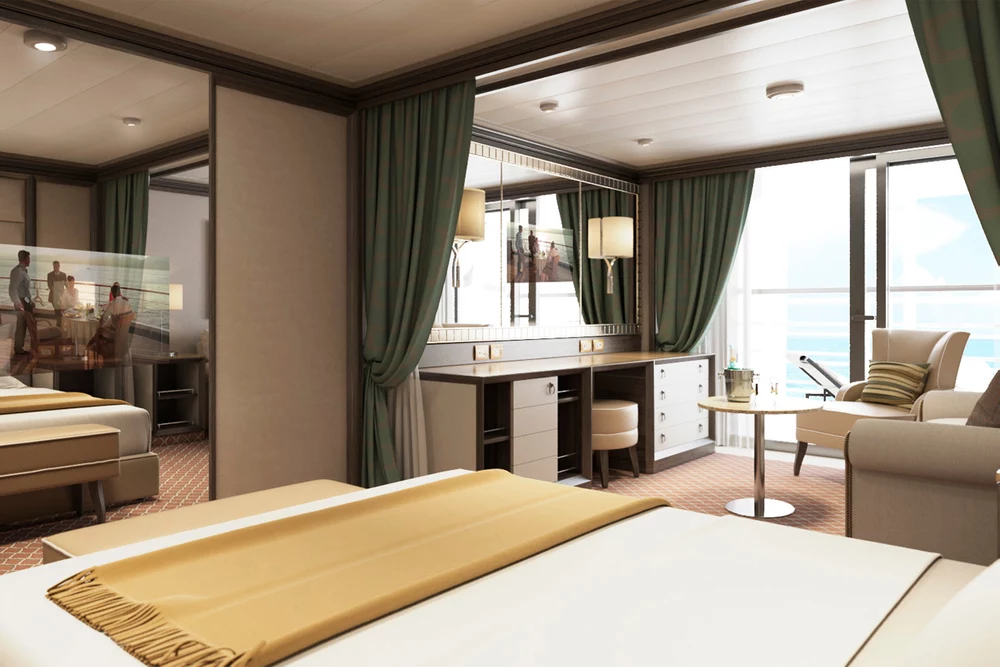
Silver Muse is without question an inspirational work of art. The best place between sea and sky, eight dining venues, spacious outdoor areas and up-to-the-minute technology makes her simply divine. Silversea Cruises is happy to present our new flagship, Silver Muse. Delivered in spring of 2017, the new ultra-luxury ship was built by Fincantieri and at 40,700 grt accommodates 596 guests. Representing an exciting evolution of Silver Spirit, Silver Muse redefines ultra-luxury ocean travel – enhancing the small-ship intimacy and spacious all-suite accommodations that are the hallmarks of the Silversea experience. The addition of Silver Muse expands Silversea’s fleet to nine ships, and once again significantly raises the bar in the ultra-luxury cruise market with a wealth of enhancements to the onboard experience, while satisfying the uncompromising requirements for comfort, service, and quality of the world’s most discerning travellers.
Other
Boutique
Conference Room
Observation Lounge
Reception
Recreational
Card Room
Childrens Play Room
Library
Relaxation
Beauty Salon
Day Spa & Fitness Centre
Jacuzzi
Panoramic Lounge
Pool Deck
Spa
Swimming Pool
Food and Drink
Arts Cafe
Bar
Dolce
Grill
La Dame
La Terrazza
Spaccanapoli
The Grill
Venetian
Entertainment
Casino
Connoisseur Club
Connoisseur’s Corner
Observation Lounge
Panorama Lounge
Silver Note
Theatre
Fitness
Fitness Center
Jogging Track
Pool
Wellness Centre
STATEROOMS